


Additive manufacturing Montreal
SLA 3D printing services in Montreal
Need parts with injection-mold smoothness—without the mold? We use stereolithography to produce high-resolution resin parts with tolerances down to ±0.1 mm. Whether it’s a single prototype or a production batch, our ISO 9001 certified facility in Montreal delivers across Canada with same-day options available.
- 0.025mm layer resolution
- ±0.1 mm tolerance
- 20+ resin materials
- ISO 9001 Certified
- 500+ Projects Delivered
- Same-day turnaround
Get SLA quote nowBook free consultation
What is SLA printing
How does it work?
Stereolithography (SLA) uses a UV laser to cure liquid photopolymer resin one ultra-thin layer at a time. The result? Parts with near-isotropic strength, dimensional accuracy down to 0.025 mm, and surface quality that rivals injection molding—straight off the build platform.
| Specification | Value |
|---|---|
| Layer Resolution | 0.025mm – 0.1mm |
| Build Volume | 145 × 145 × 175 mm |
| Tolerance | ±0.1mm |
| Surface Finish | Ra 0.8μm |
| Materials | 20+ specialized resins |
| Post-Processing | Washing, UV curing, support removal |
Rush service options
For complex projects or bulk orders, contact us for personalized pricing.
The process in three steps
1
UV laser curing
A 405 nm laser traces each cross-section onto the resin surface, triggering photopolymerization and solidifying the material with uniform mechanical properties in every direction.
2
Platform movement
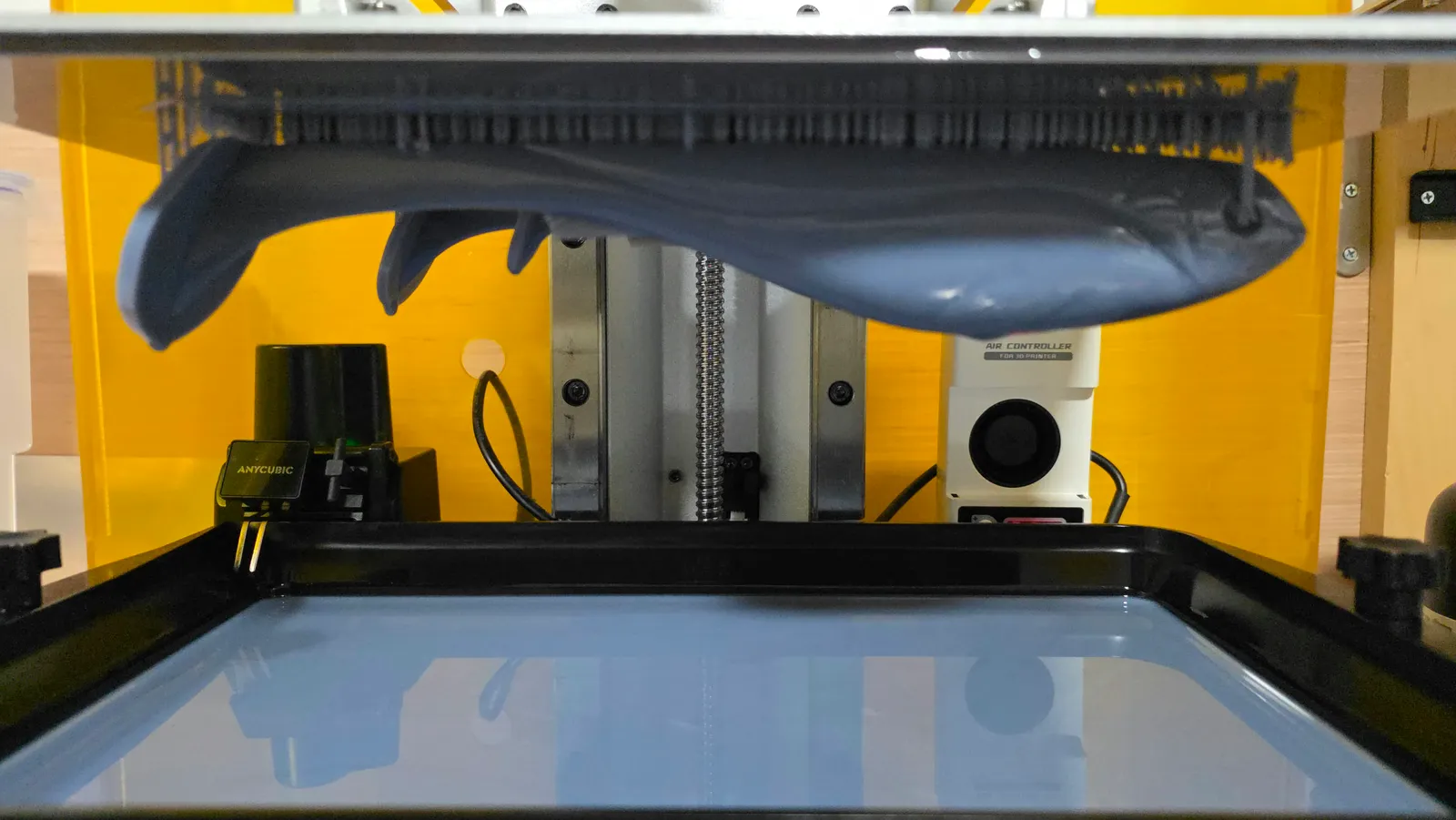
After each layer cures, the platform descends by as little as 0.025 mm and a fresh coat of resin is swept across the surface. This repeats thousands of times until the part is complete.
3
Post-processing & support structure removal
Parts are cleaned in isopropyl alcohol, UV post-cured for full strength (up to 40% stronger), then supports are carefully removed and sanded smooth.
Why choose AllPrototype SLA 3D printing?
As a leading 3D print shop in Montreal, AllPrototype leverages this technology to deliver commercial 3D printing with surface quality that rivals injection molding. Ready to start? Get an instant 3D printing quote.
Exceptional accuracy
Achieve tolerances as tight as ±0.1mm with smooth surface finishes
Fine details
Capture intricate features and complex geometries impossible with other methods
Speed & efficiency
Print multiple parts simultaneously regardless of complexity
Fast turnaround
Same-day printing available for urgent prototypes and production parts
From File Upload to Finished Part
Here’s exactly what happens when you place an order—no surprises, no guesswork. Every project follows the same quality-controlled workflow, whether it’s a one-off prototype or a batch of 200 production parts.
Upload Your File & Get a Free Review
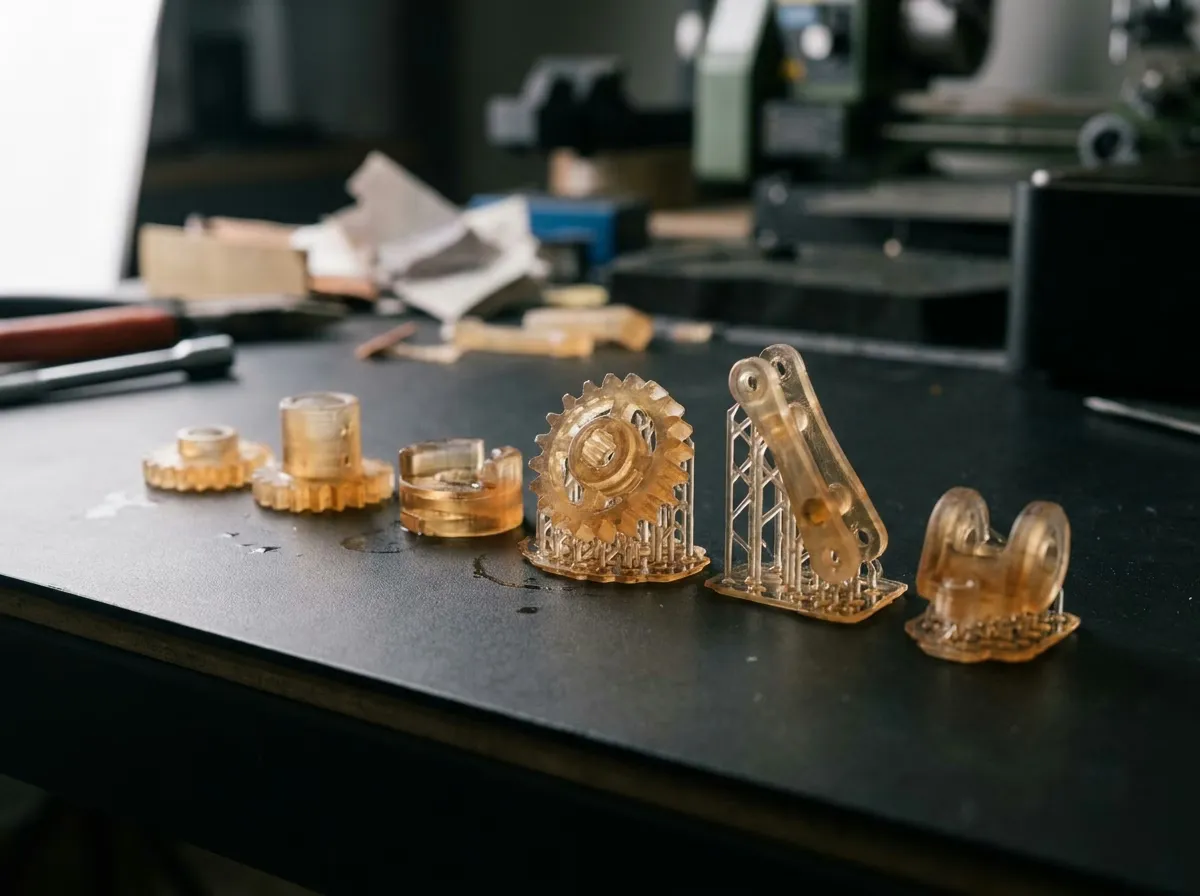
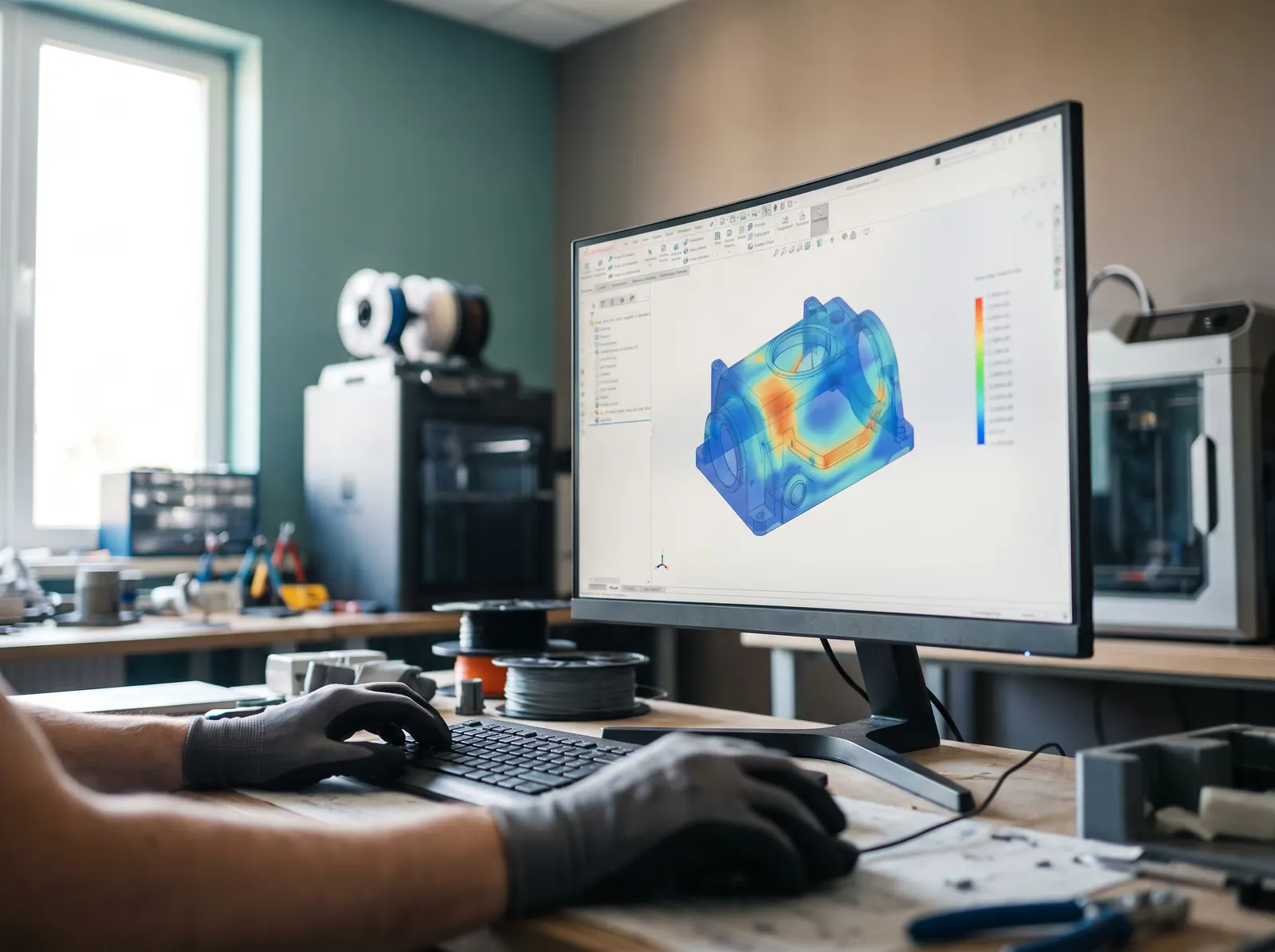
Send us your STL, OBJ, or STEP file through our portal. Within 30 minutes, one of our engineers reviews it for printability—checking wall thickness (0.4 mm minimum), overhangs, and geometry issues. If anything needs adjusting, we’ll explain exactly what and why.
Material & Orientation Planning
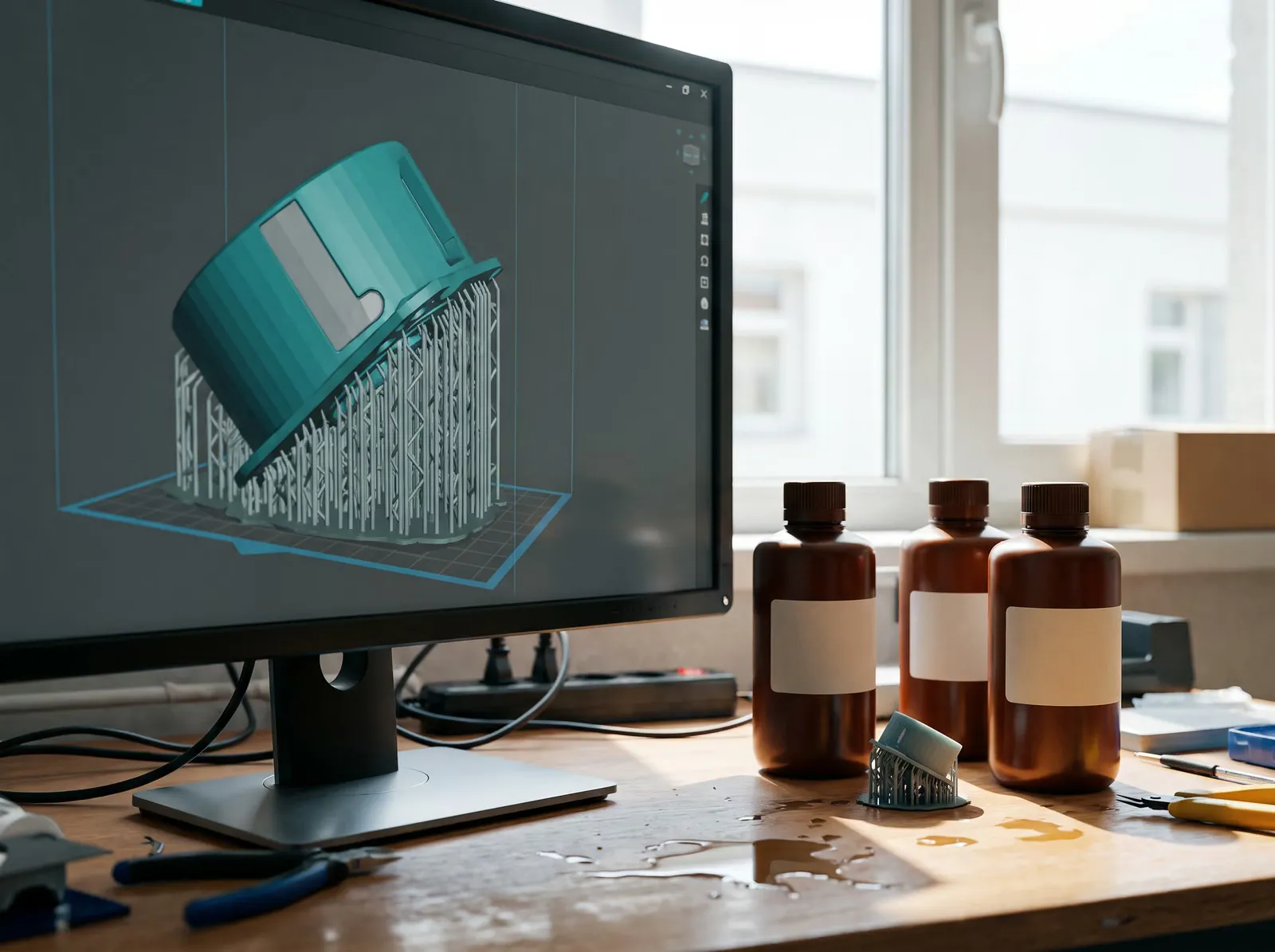
We help you pick the right resin based on what matters most: strength, clarity, biocompatibility, or heat resistance. Then we plan the build orientation to minimize supports while keeping cosmetic surfaces pristine. It’s a balancing act between surface quality, print time, and structural integrity.
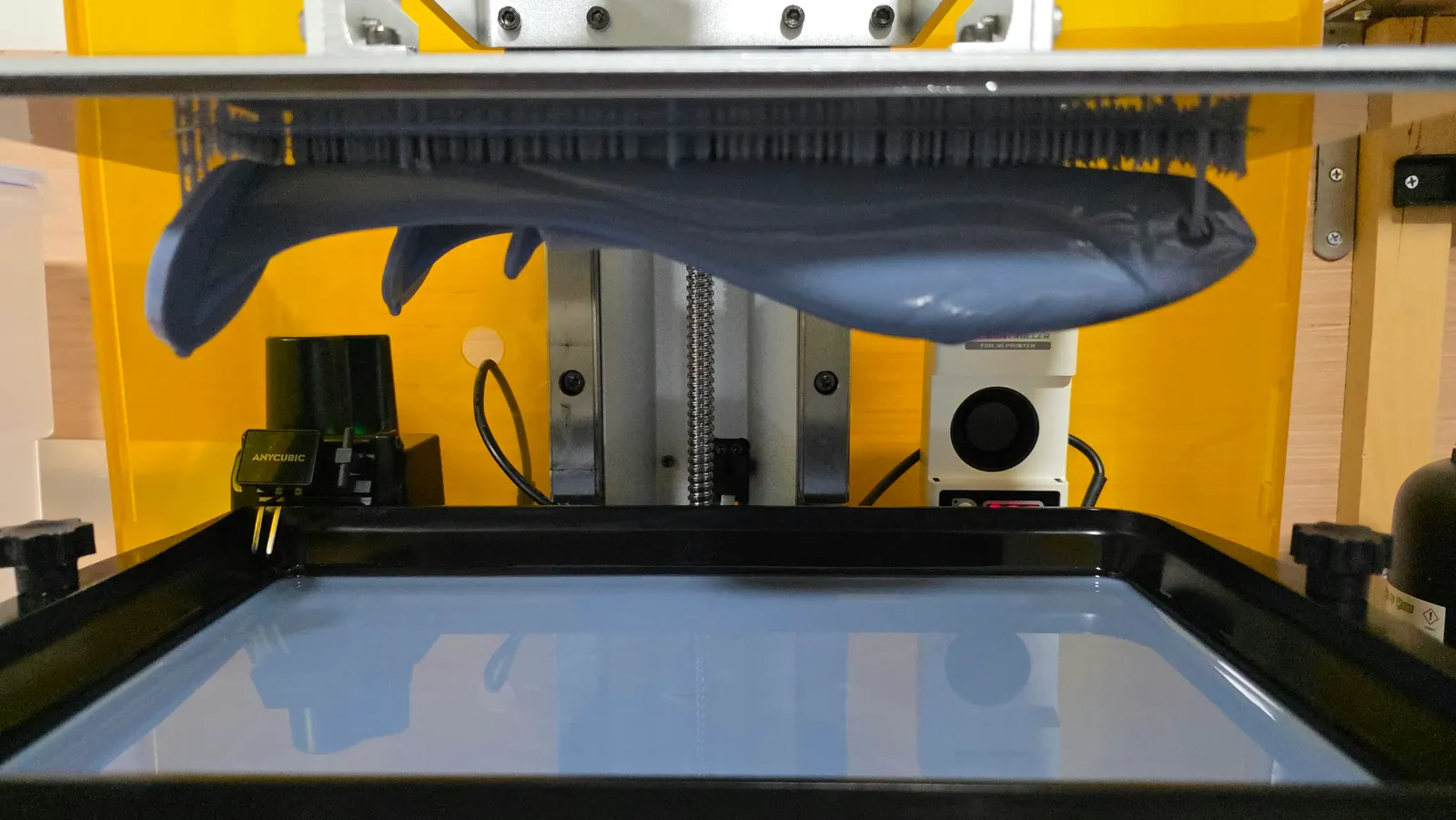
UV Laser Curing
The printer’s 405 nm laser traces each cross-section onto liquid resin with an 85 μm spot size. Each layer can be as thin as 0.025 mm. After curing, the platform descends, fresh resin is swept across, and the process repeats—building your part from the bottom up with exceptional precision.
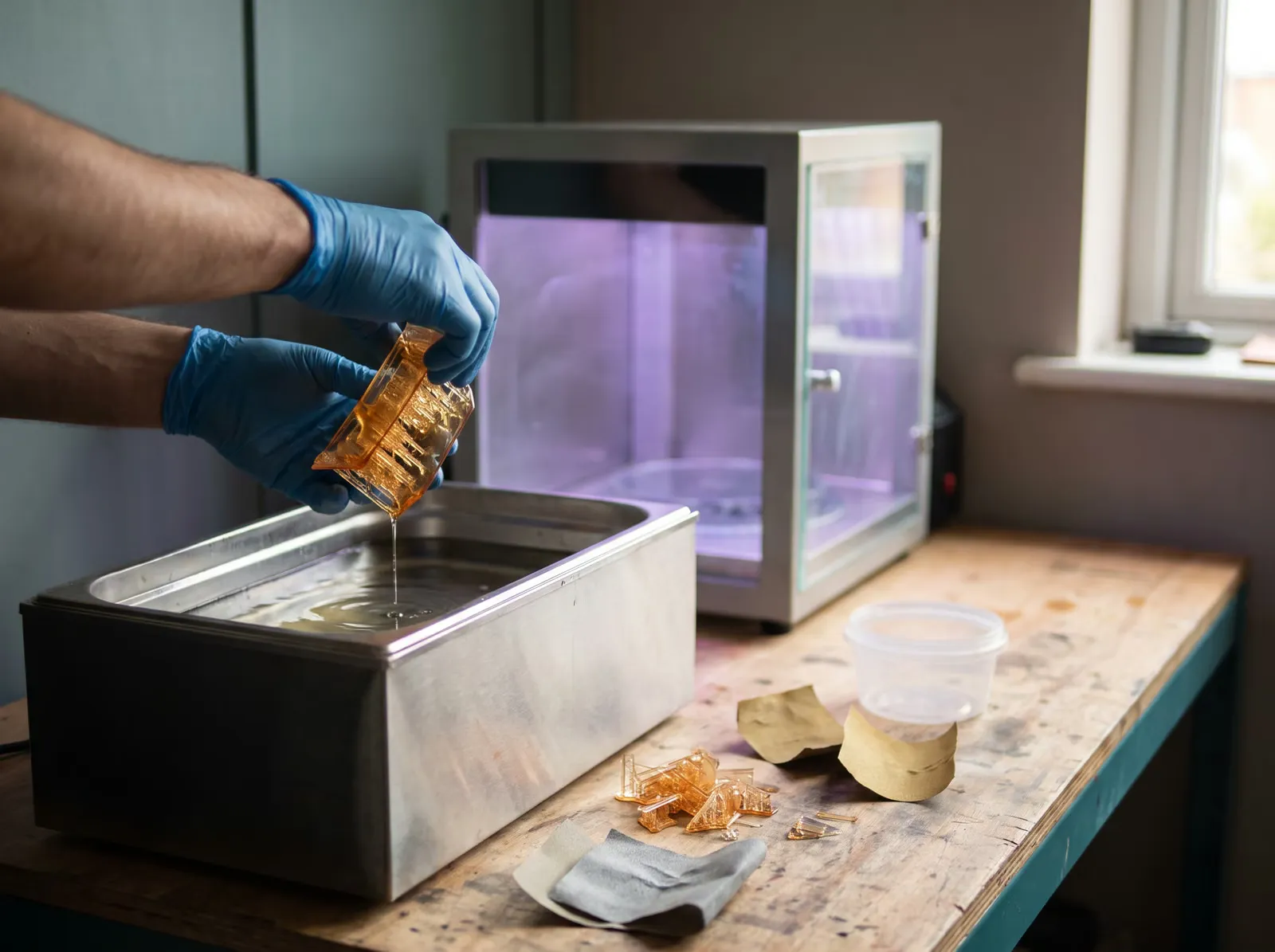
Post-Processing & Quality Control
Finished parts go through a three-stage workflow: a 10–15 minute IPA wash to remove uncured resin, 30–60 minutes of UV curing at 60°C for full mechanical properties, and careful hand-removal of supports followed by sanding. We also offer wet sanding to 2000 grit, clear coating, and custom painting.
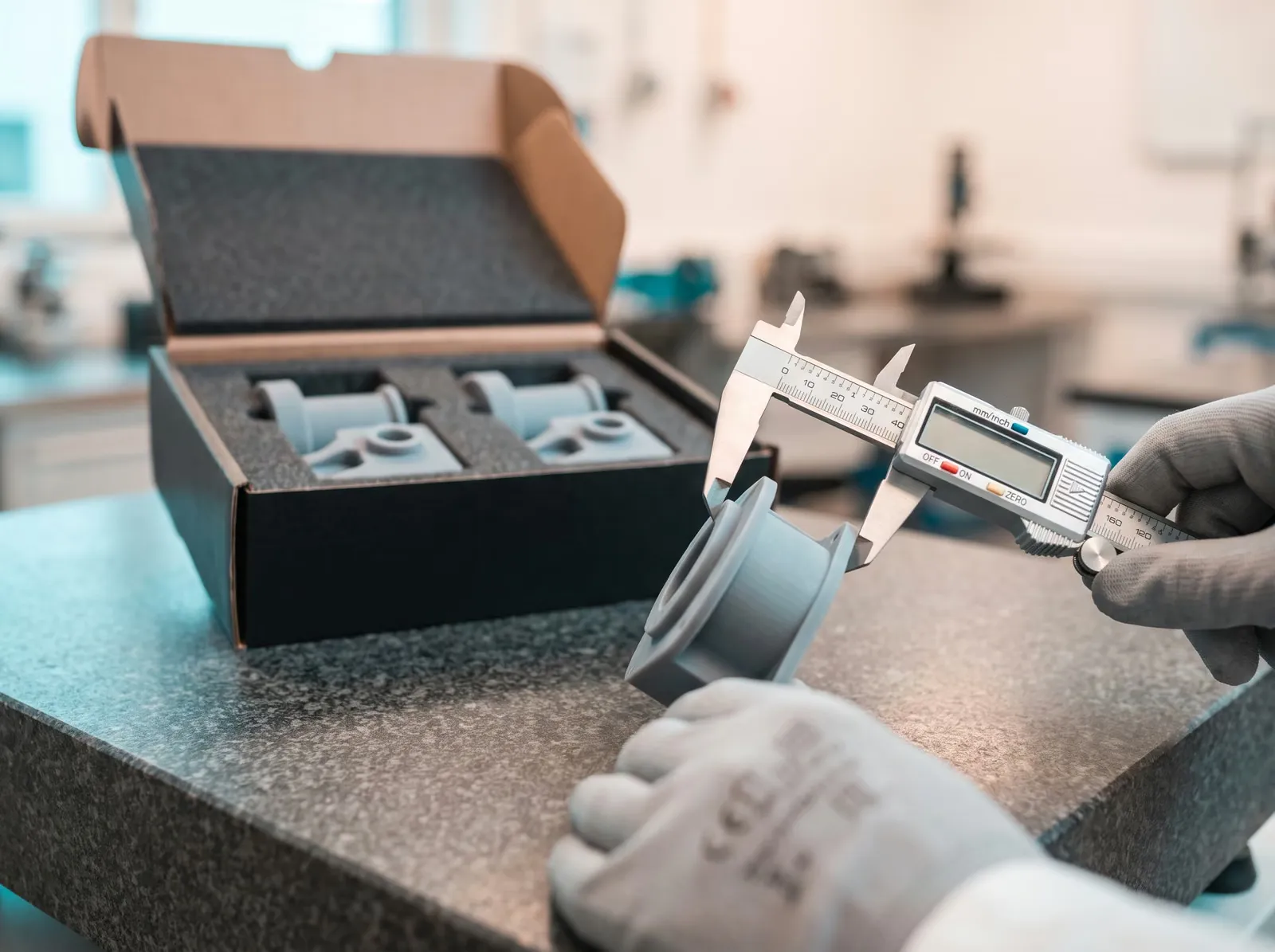
Inspection & Delivery
Every part is dimensionally inspected with digital calipers (and CMM for critical tolerances). We verify everything falls within ±0.1 mm of your CAD specs before packaging in anti-static foam with desiccant. Montreal clients can pick up same-day; everyone else gets careful, crush-resistant shipping. Ready to start? Get an instant 3D printing quote.
20+ specialized SLA materials
From standard prototyping resins to biocompatible materials, we have the right material for your specific application.
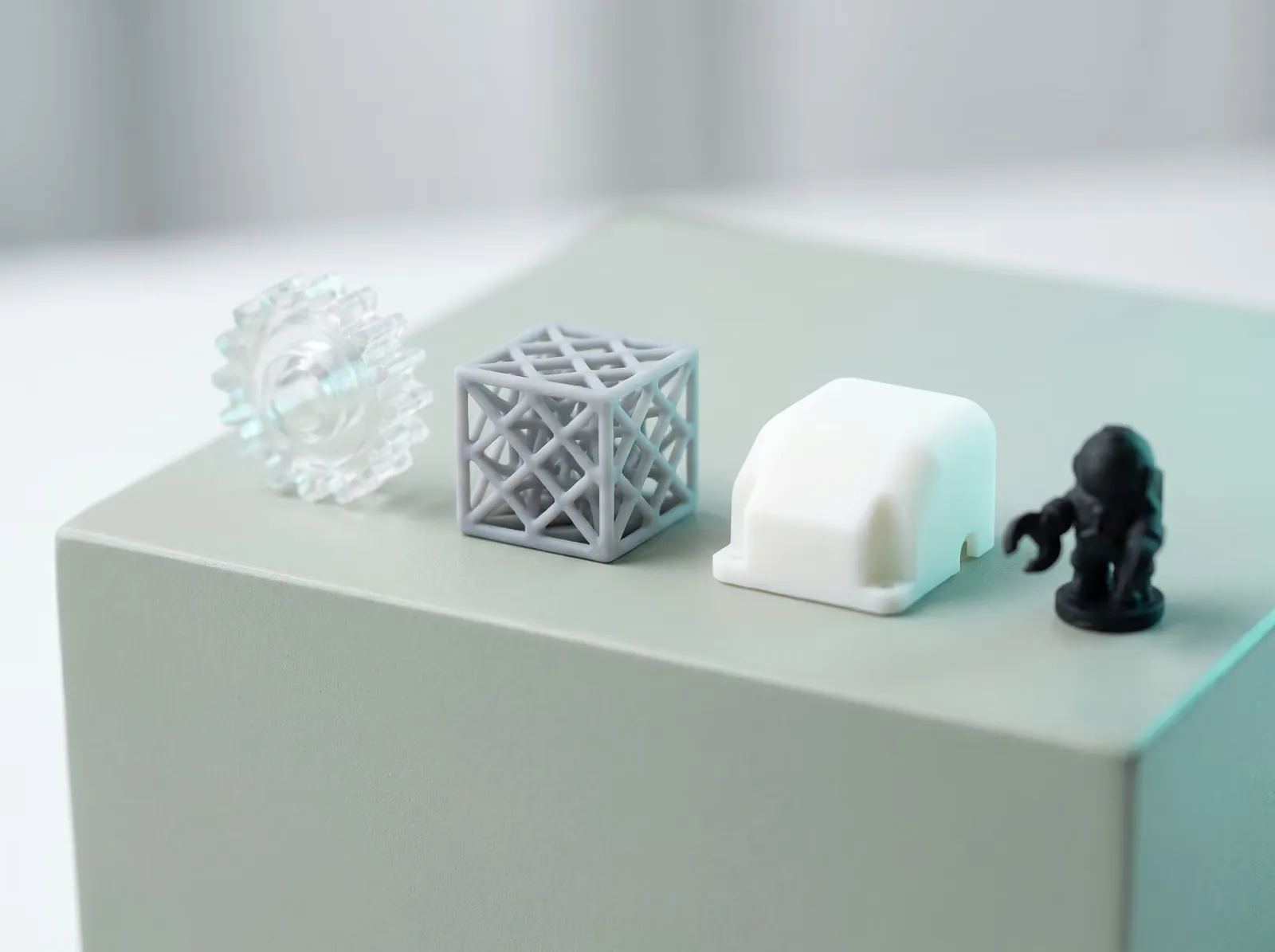
Standard resins
Great starting point for prototyping, concept models, and visual presentations. These produce smooth, injection-mold-like finishes straight off the printer.
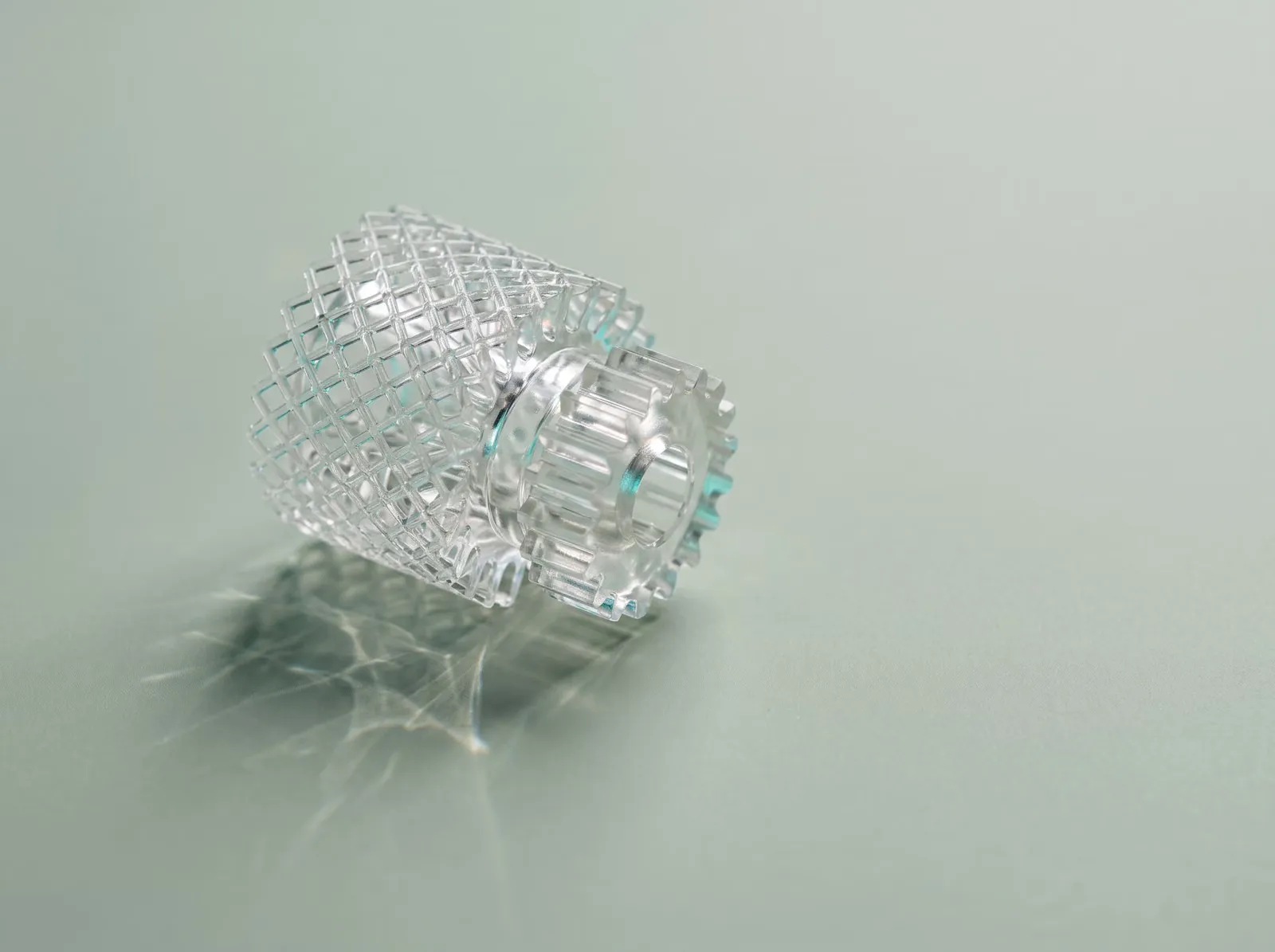
Clear Resin
- Transparent
- Smooth finish
- General prototyping
Near-optically-clear when post-processed. Achieves >90% light transmittance after wet sanding and clear coating. Tensile strength: 65 MPa.
Best For
- Display models
- Light guides
- Flow visualization
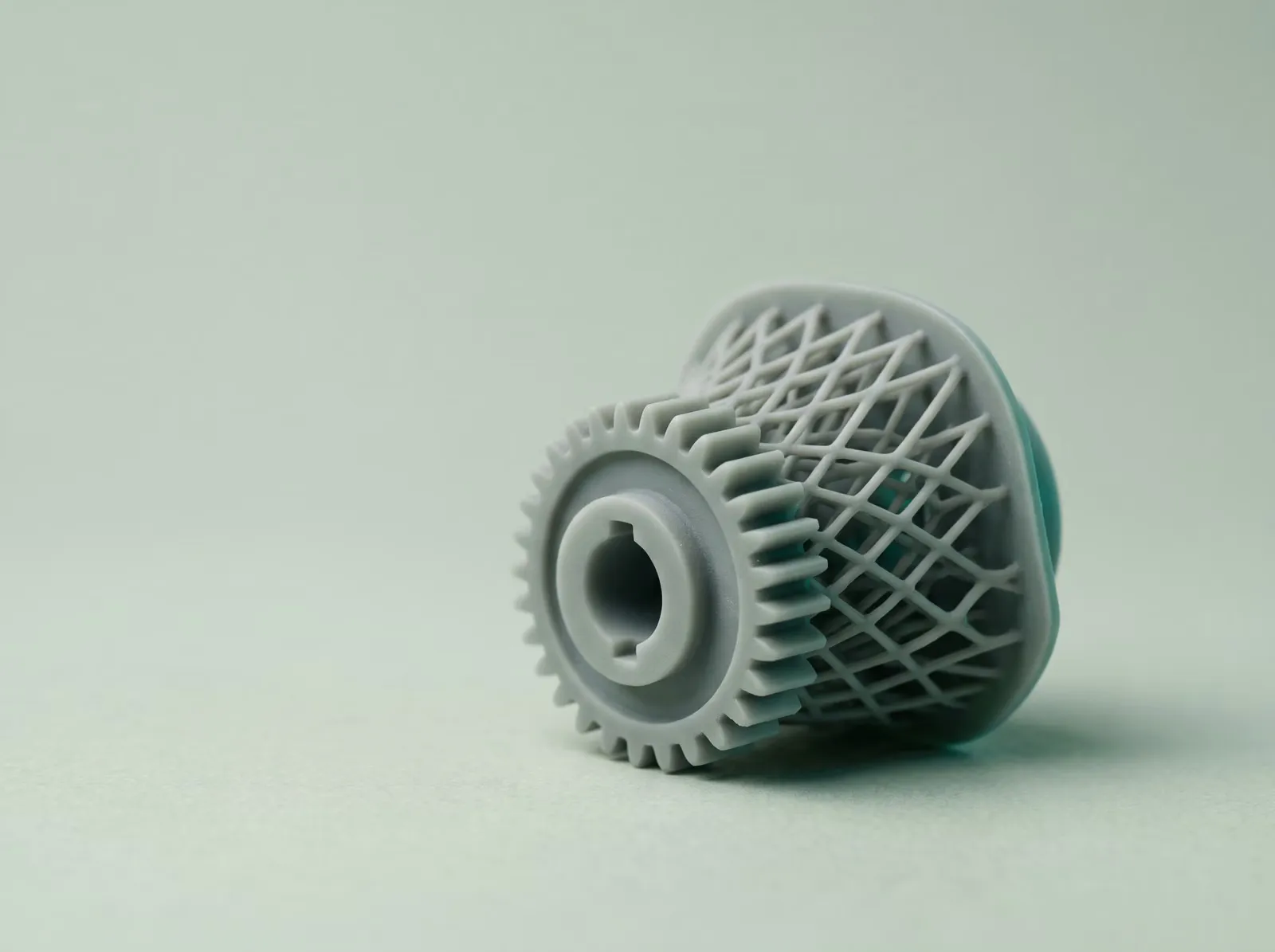
Grey Resin
- High detail
- Matte finish
- Easy painting
Our most popular resin. The neutral grey reveals fine surface details without glare—perfect for client presentations. Excellent paint adhesion. Elongation at break: 6.2%.
Best For
- Miniatures
- Architectural models
- Design reviews
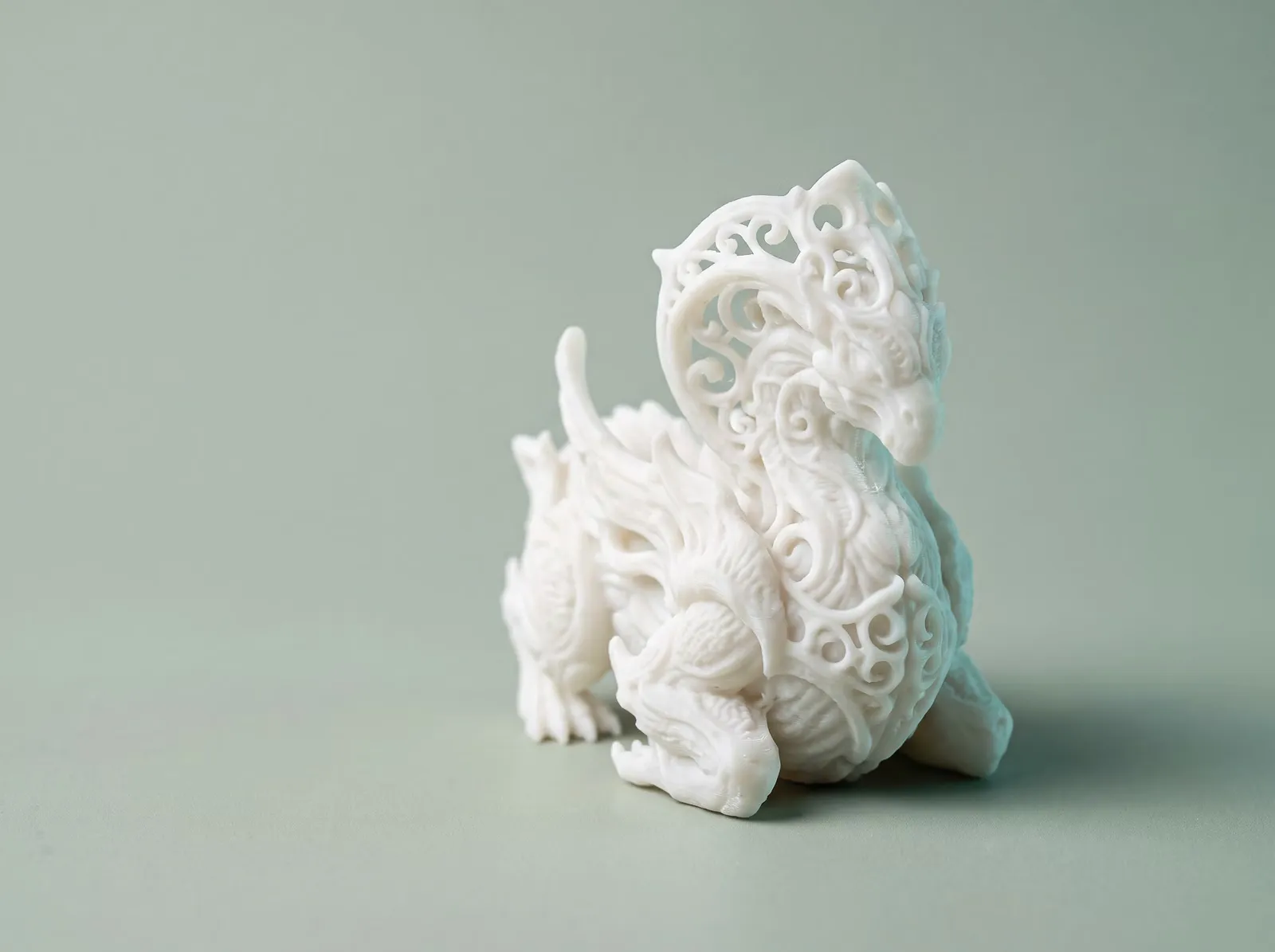
White Resin
- Opaque white
- Fine details
- Paintable
Crisp, opaque white with detail capture down to 0.025 mm features. Ideal for photography, displays, and painting. Impact strength: 25 J/m.
Best For
- Figurines
- Jewelry masters
- Art pieces
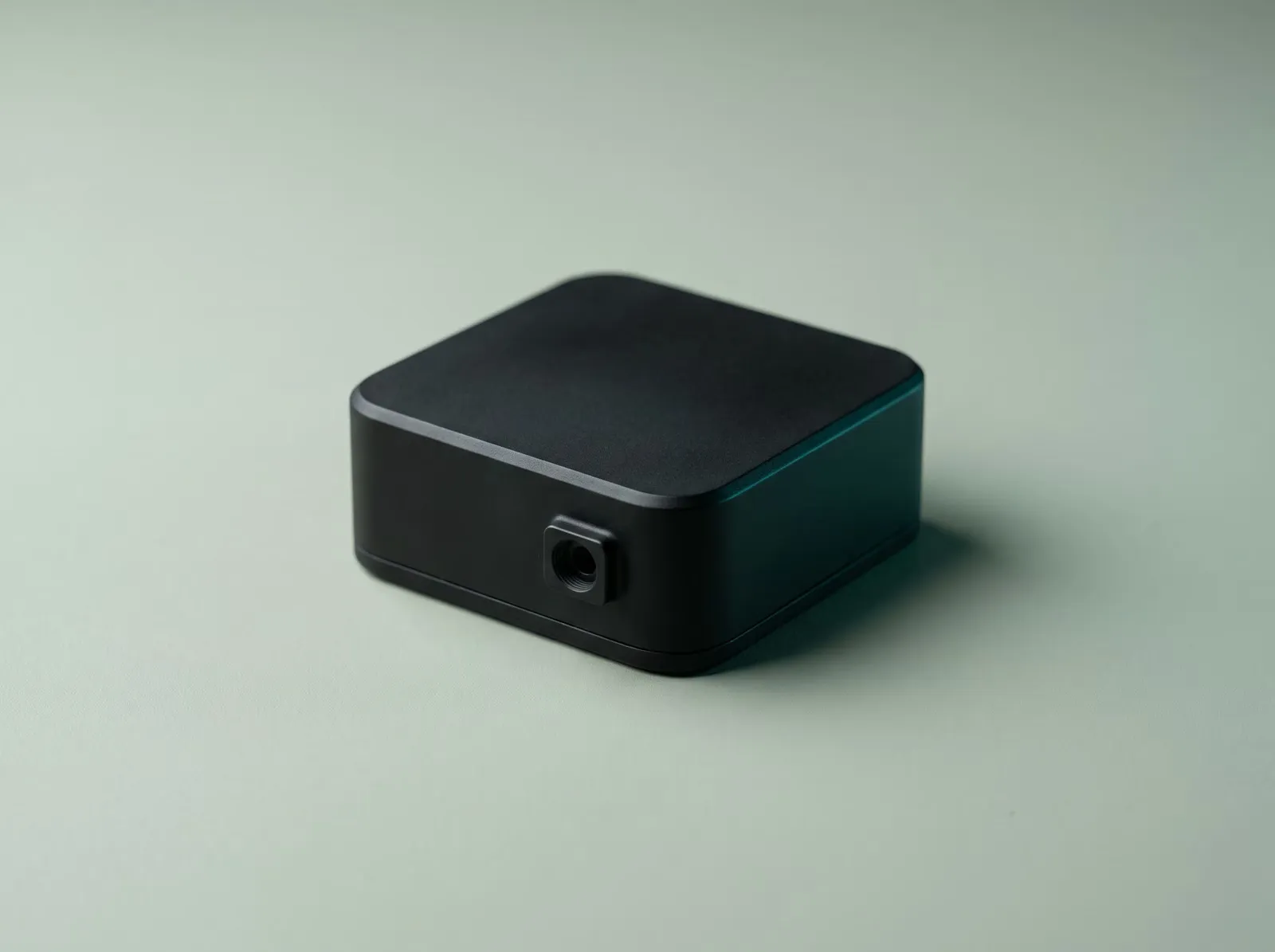
Black Resin
- Deep matte black
- UV stable
- Professional finish
Deeply pigmented—looks professional without painting. UV-stabilized to resist yellowing. Flexural modulus: 2.2 GPa.
Best For
- Product housings
- Automotive trim
- Camera components
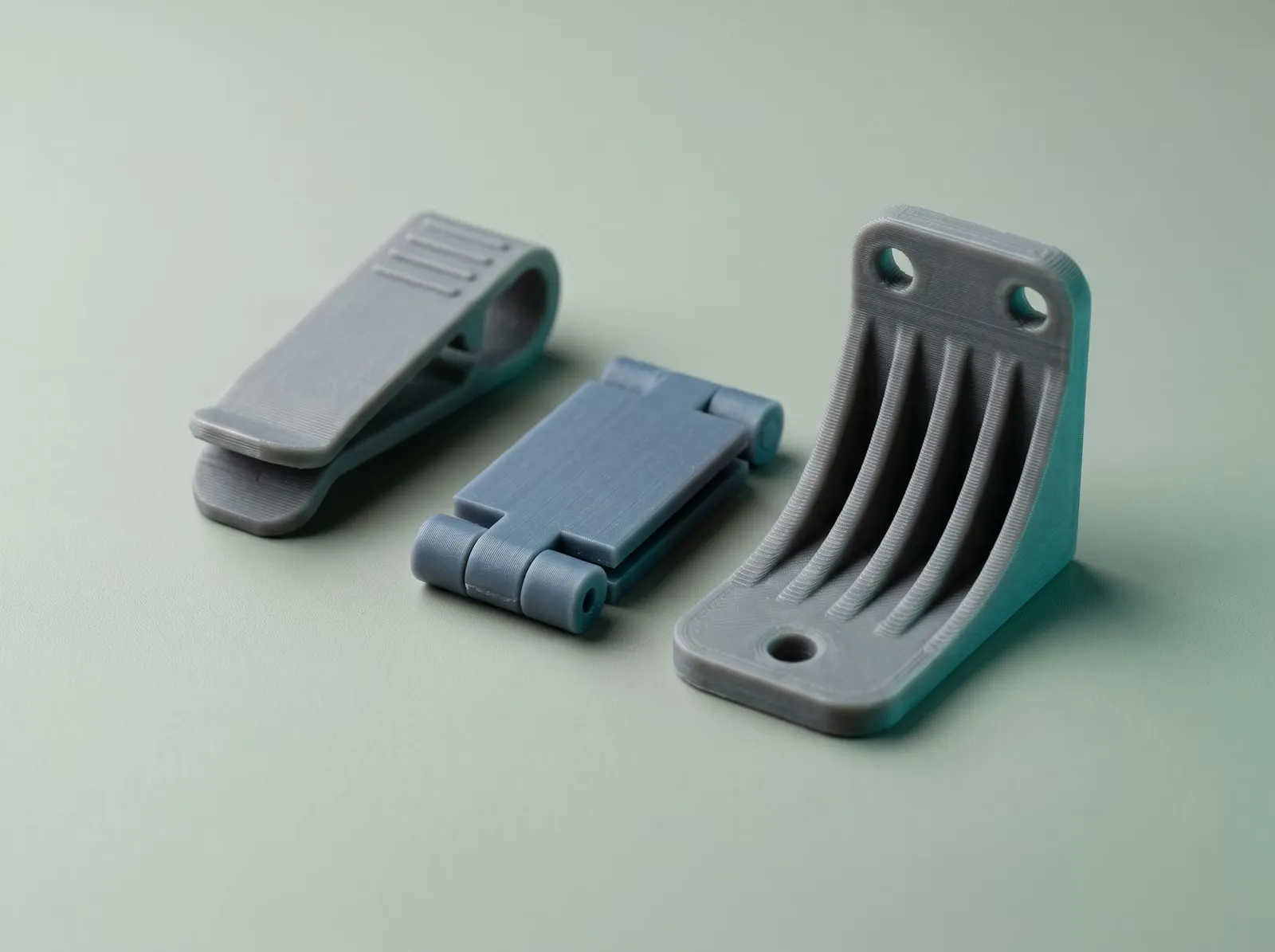
Engineering resins
These replicate the mechanical properties of injection-molded thermoplastics, so you can actually test and validate your designs under real-world conditions.
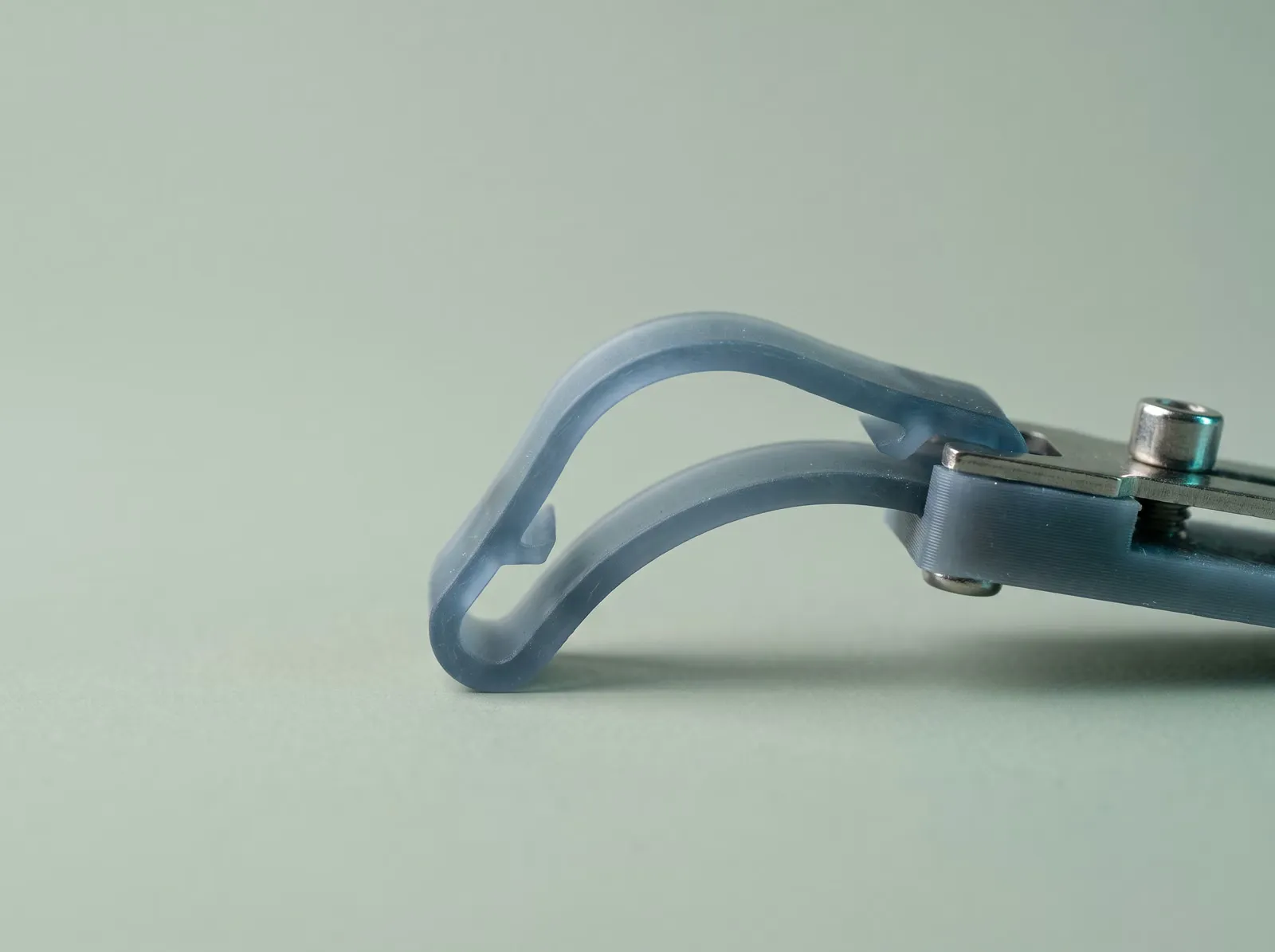
Tough Resin
- High impact resistance
- ABS-like
- Durable
Simulates ABS: 55.7 MPa tensile strength, 38 J/m impact resistance. Great for snap-fits, living hinges, and parts that get handled repeatedly. Can be drilled and tapped.
Best For
- Functional prototypes
- Jigs & fixtures
- End-use parts
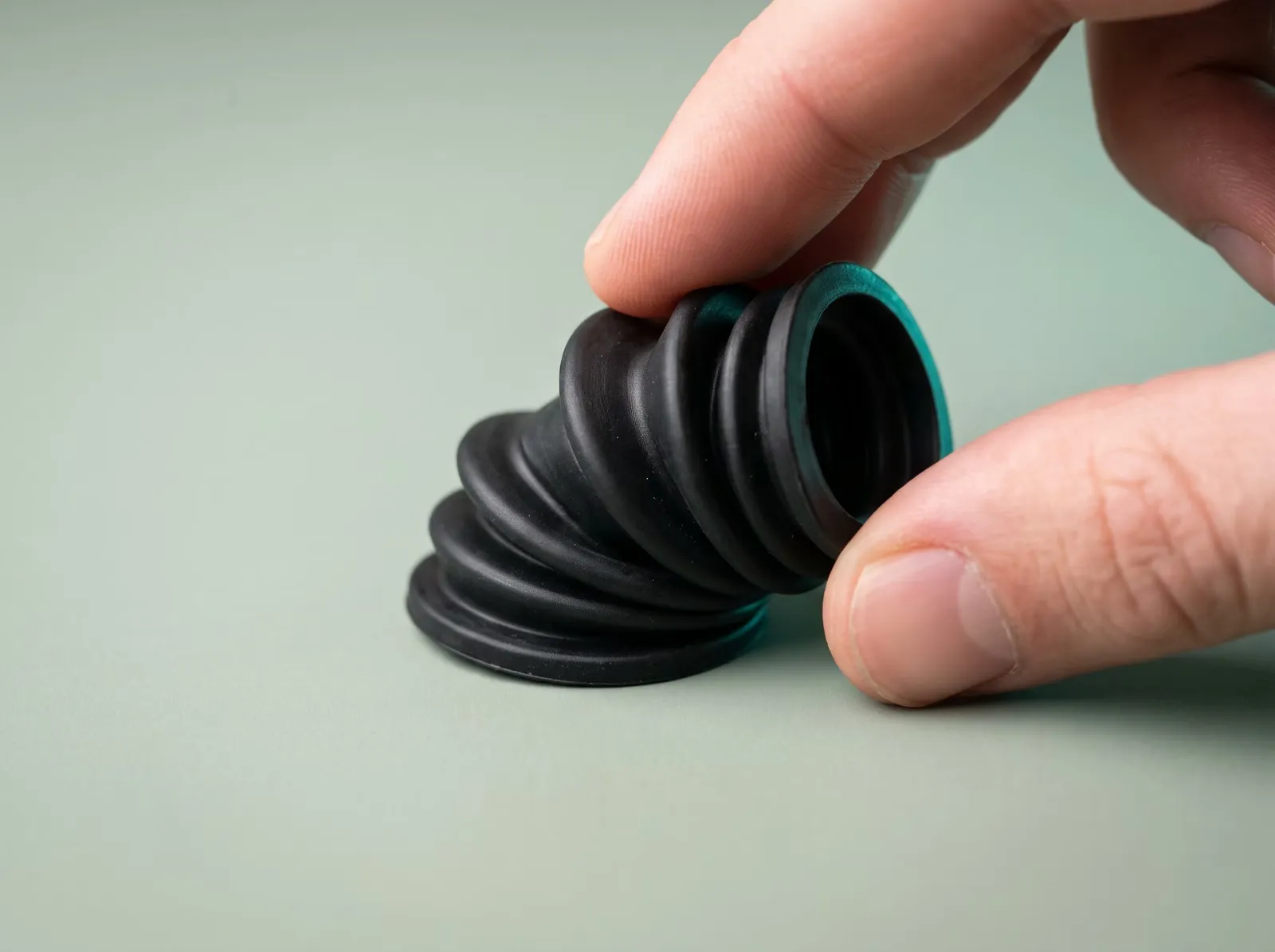
Flexible Resin
- Shore A 40–80
- Rubber-like
- Bendable
Multiple durometers from very soft (Shore A 40) to semi-rigid (Shore A 80). Perfect for prototyping rubber components, grips, and vibration dampeners. Elongation: 100–160%.
Best For
- Gaskets
- Wearables
- Soft-touch grips
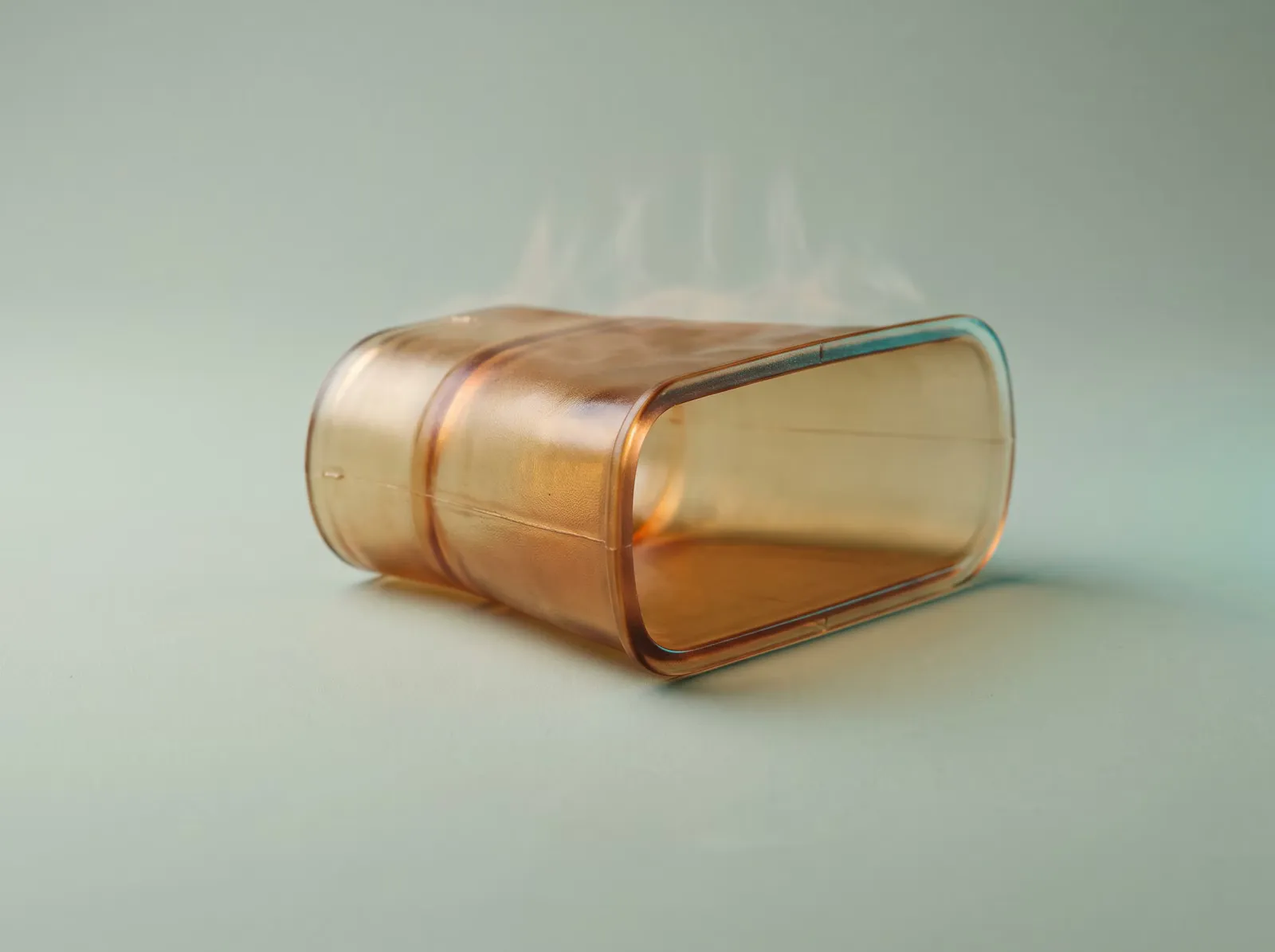
High Temp Resin
- 238°C heat resistance
- Low outgassing
- Stable
Handles continuous temperatures up to 238°C. NASA-approved low outgassing for vacuum environments. Used extensively for wind tunnel models and automotive prototypes.
Best For
- Under-hood testing
- Aerospace thermal analysis
- Ducting
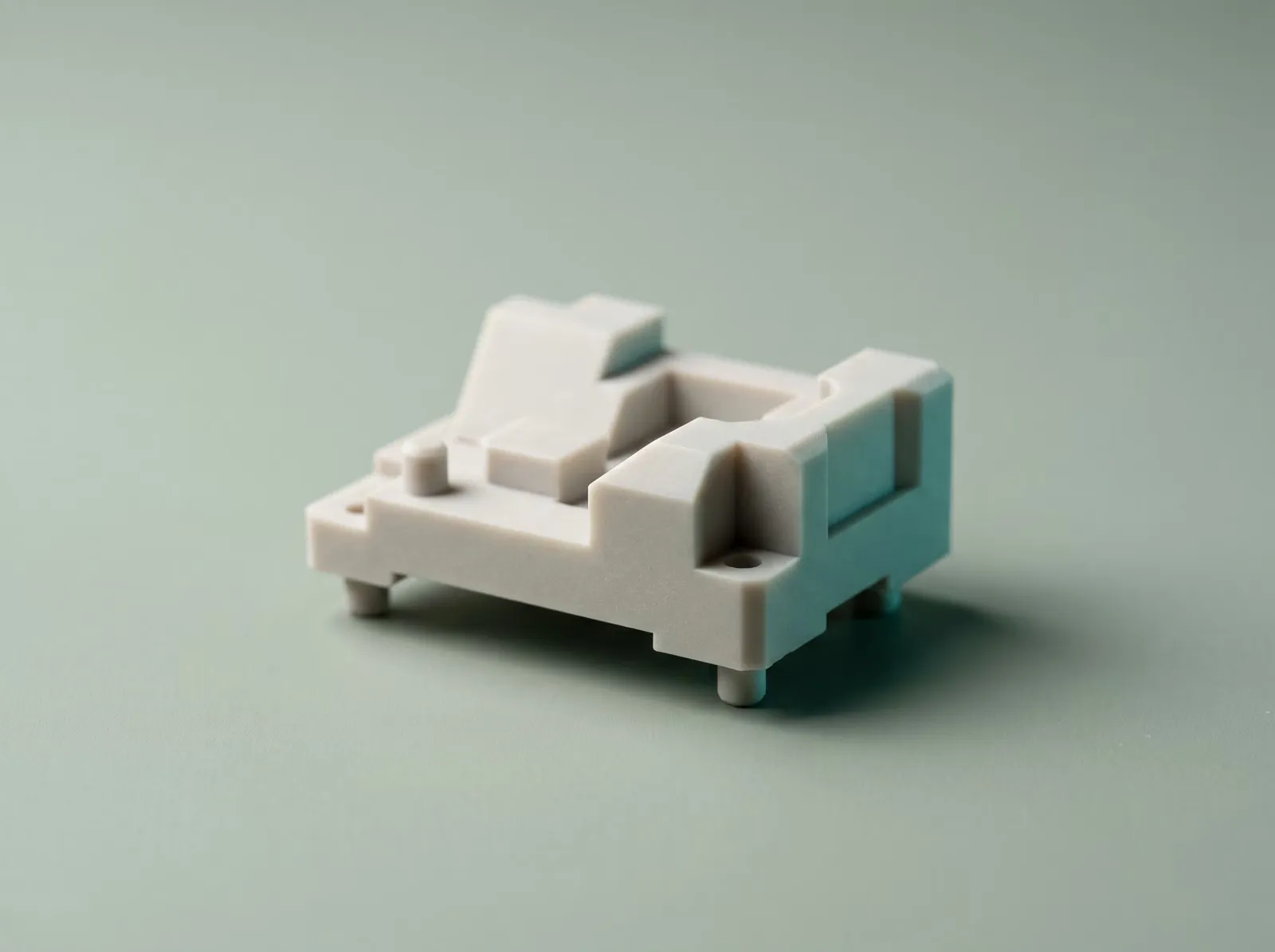
Rigid Resin
- Glass-filled
- High stiffness
- Low creep
Glass-reinforced for exceptional stiffness (4.1 GPa flexural modulus) with minimal deformation under load. Ideal for short-run injection mold inserts and structural components.
Best For
- Precision fixtures
- Mold inserts
- Tooling
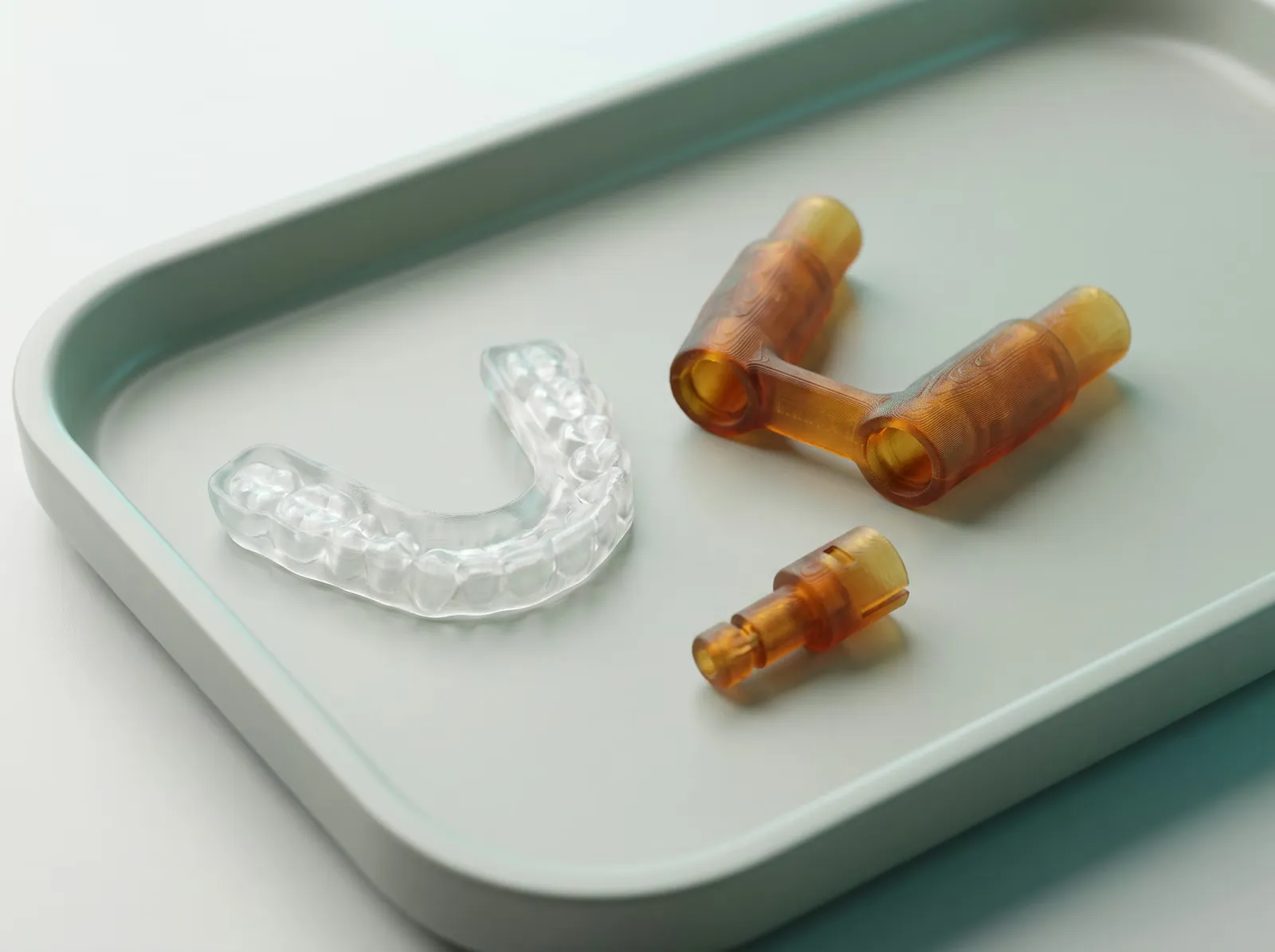
Biocompatible resins
Certified for patient contact and medical device applications. These meet the regulatory requirements of healthcare, dental, and life science industries.
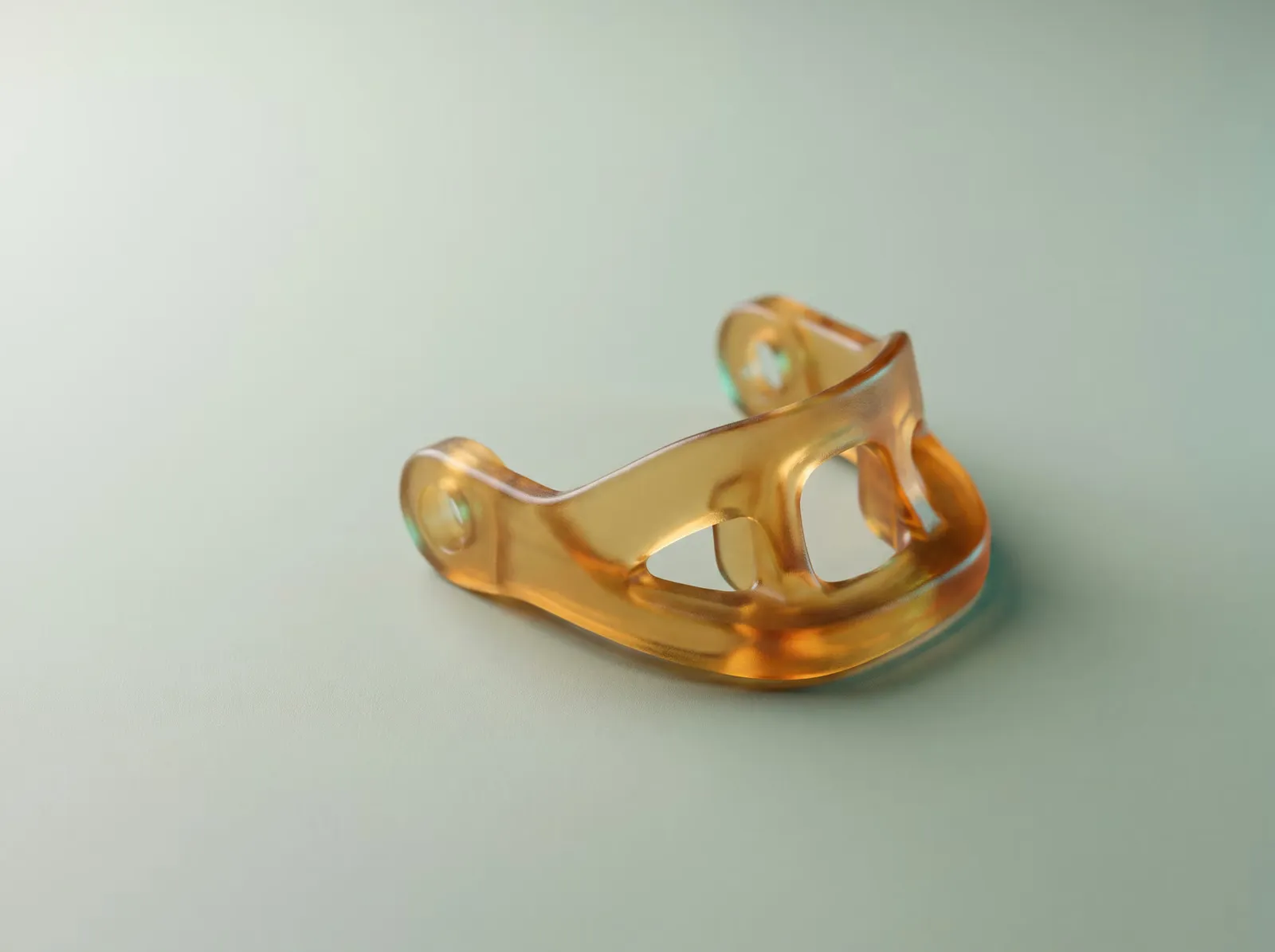
BioMed Amber
- USP Class VI
- Autoclavable
- Skin contact safe
Certified to USP Class VI and ISO 10993 standards. Steam autoclavable at 134°C. The amber tint provides visibility during surgical procedures. Tensile strength: 50 MPa.
Best For
- Surgical guides
- Medical devices
- Dental tools
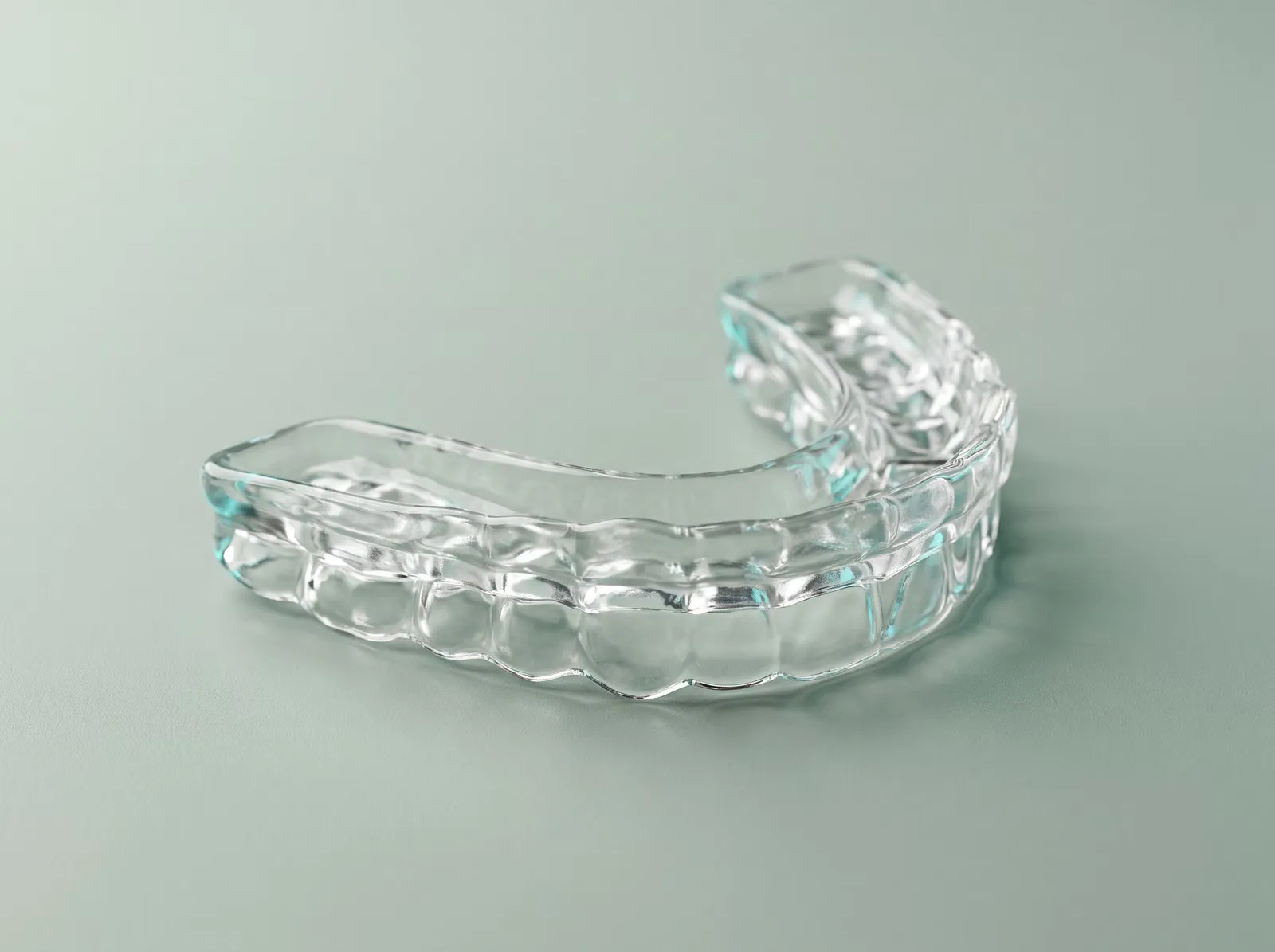
Dental LT Clear
- FDA 510(k) cleared
- Long-term biocompatible
- Clear
FDA-cleared for up to 1 year of continuous intraoral use. Fracture-resistant formulation that withstands occlusal forces. Used directly for retainers, night guards, and splints.
Best For
- Night guards
- Retainers
- Splints
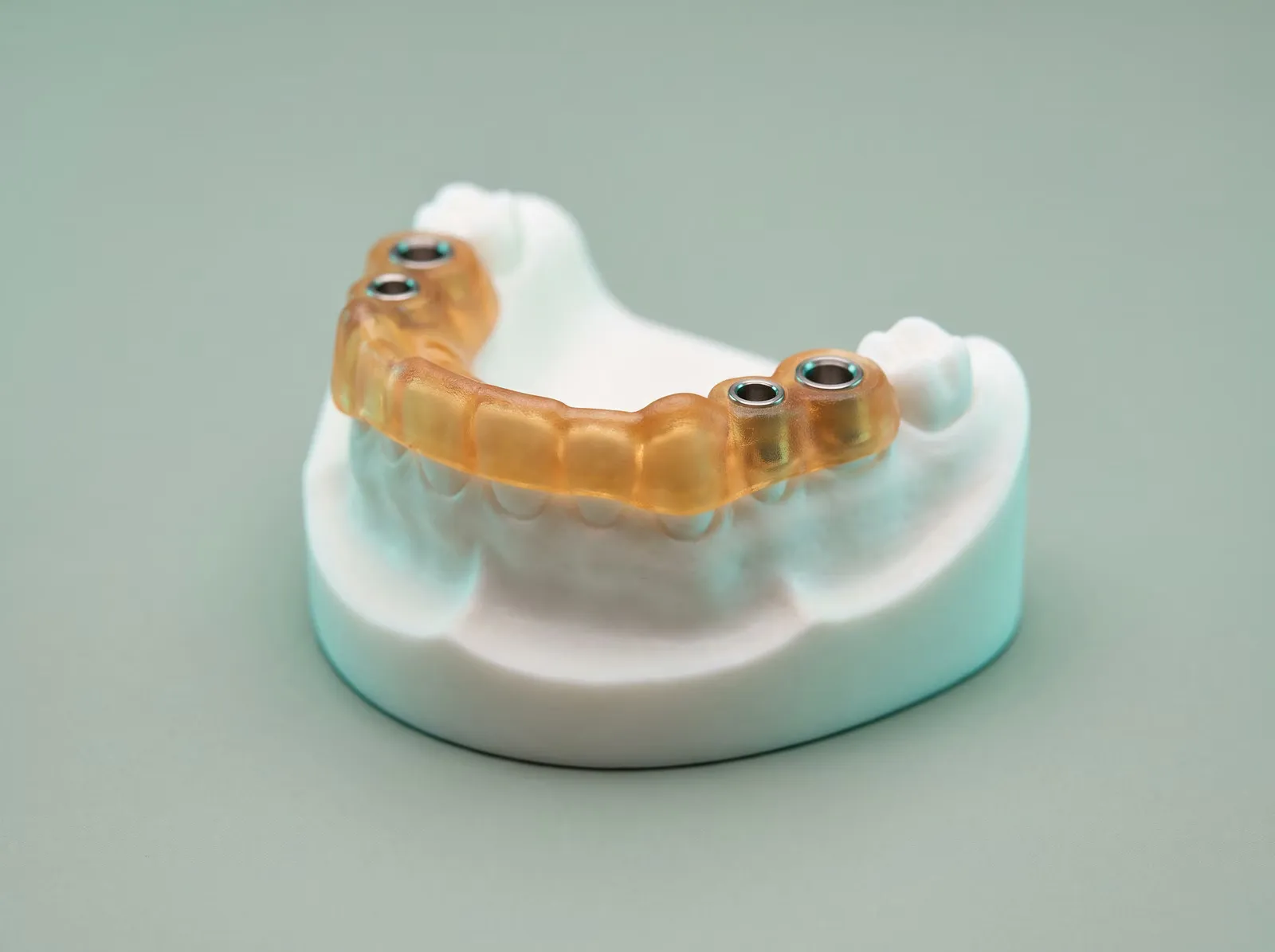
Surgical Guide Resin
- Autoclavable
- Sub-0.1 mm accuracy
- Radiolucent
Formulated specifically for surgical drill guides. Radiolucent for intraoperative imaging compatibility. Withstands autoclave sterilization without dimensional change.
Best For
- Implant guides
- Bone reduction guides
- Cutting jigs
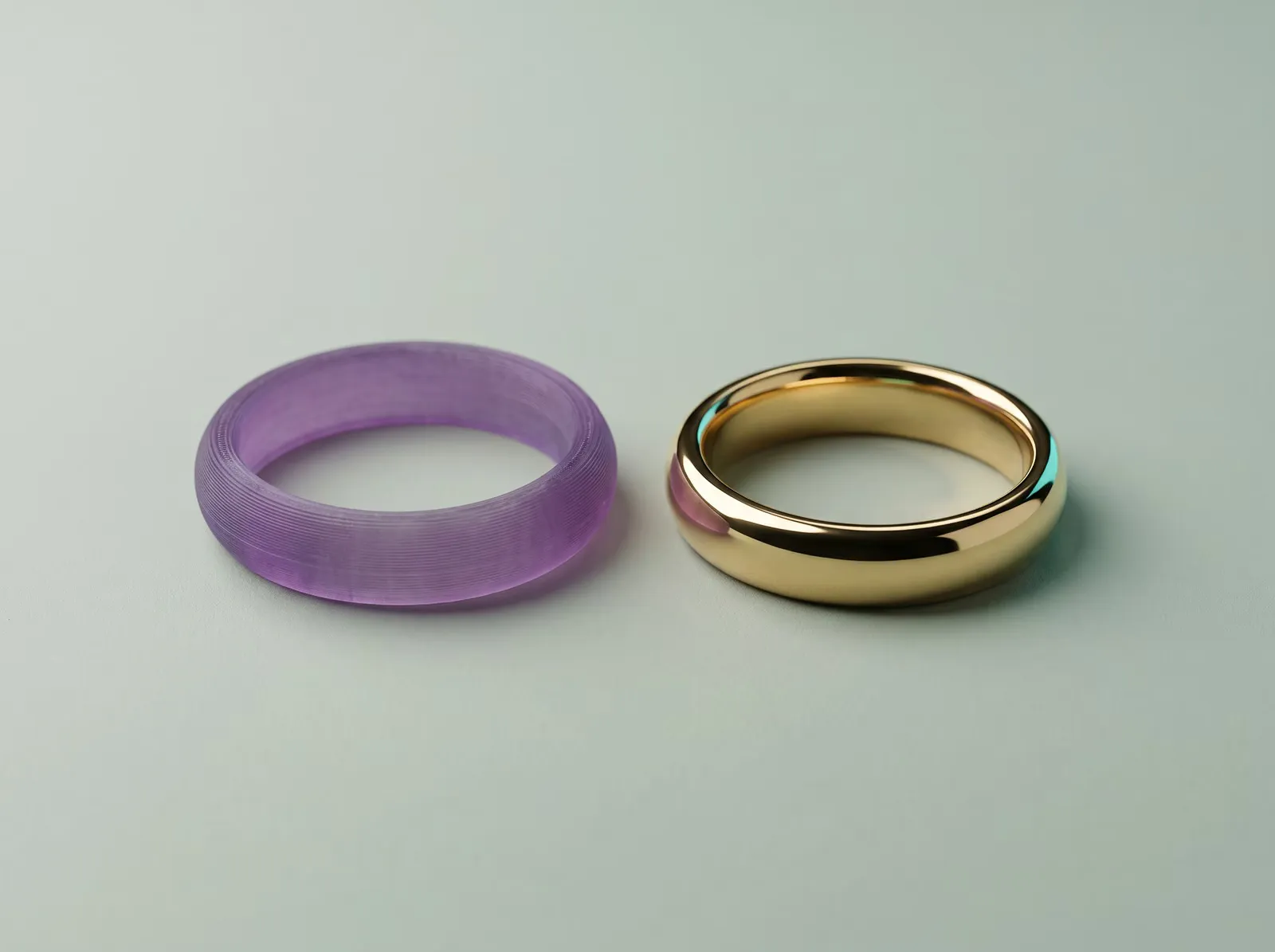
Castable resins
Designed for lost-wax investment casting. These burn out completely with zero ash residue, giving jewelers and foundries flawless metal parts from 3D printed patterns.
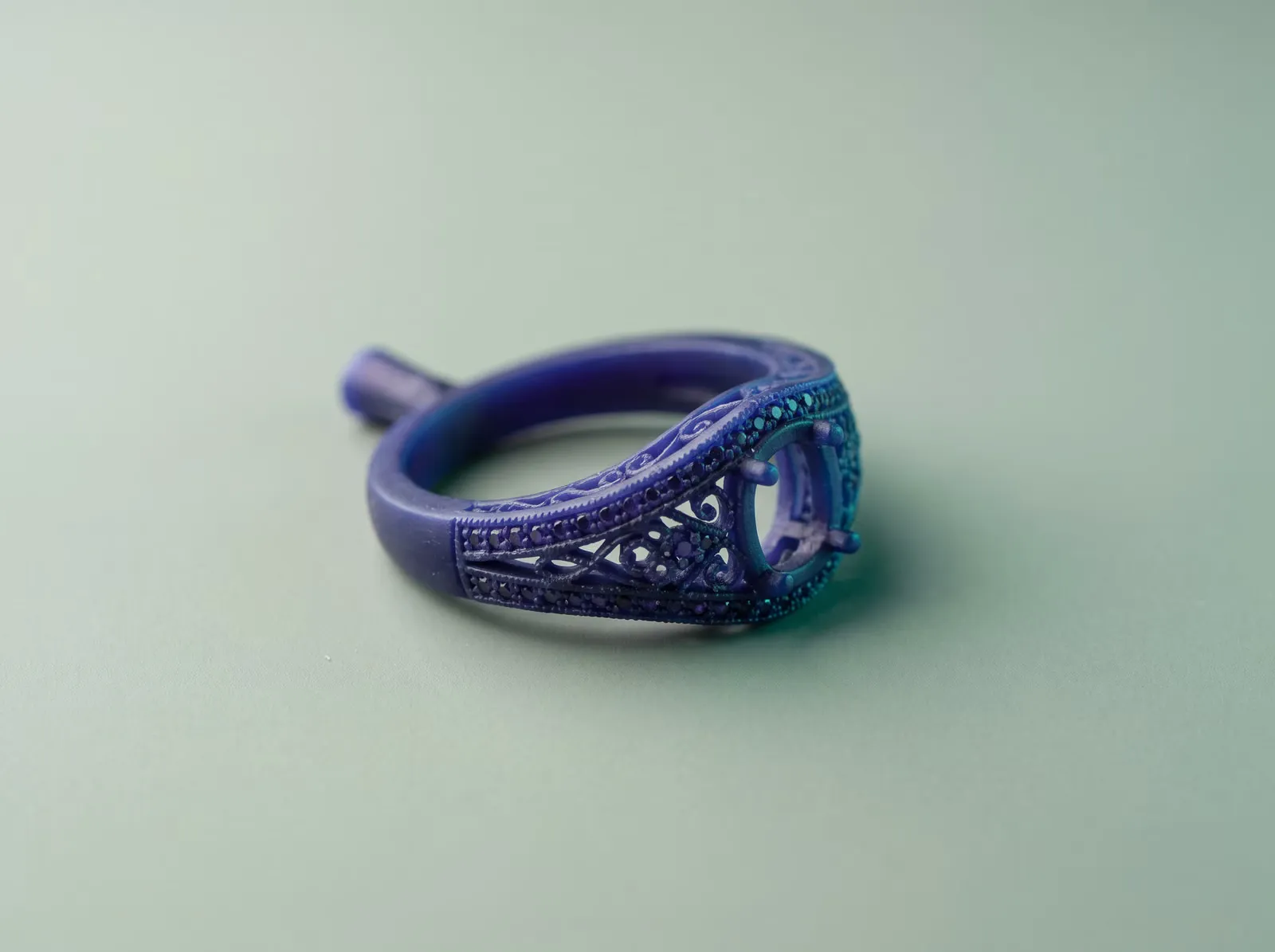
Castable Wax
- 20% wax-filled
- Zero ash
- Jewelry grade
Contains 20% real wax for clean burnout. Captures details as fine as 0.025 mm—pavé settings, micro-prongs, intricate filigree. 8-hour graduated burnout cycle reaching 732°C.
Best For
- Fine jewelry
- Investment casting
- Precious metals
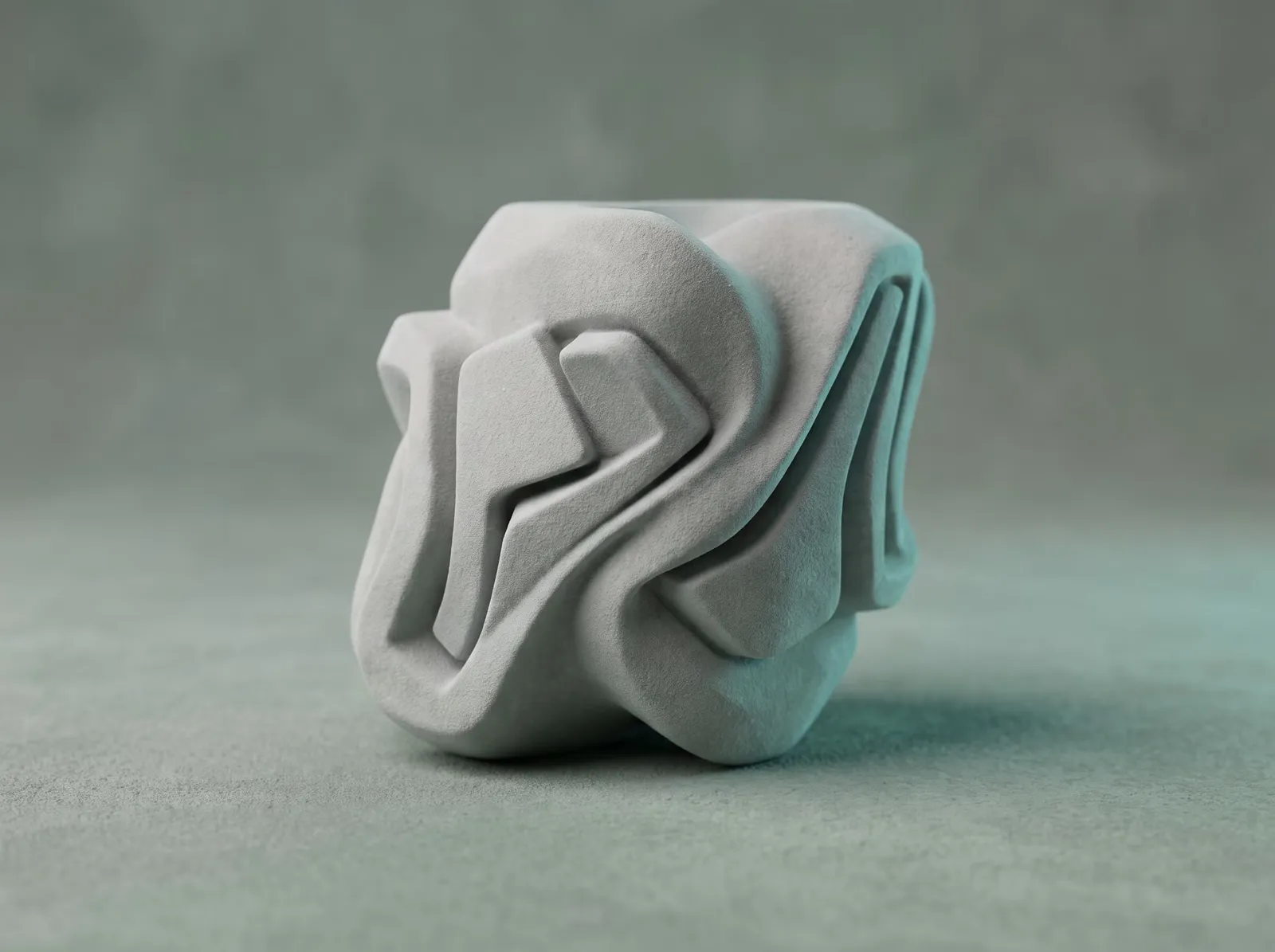
Ceramic Resin
- High temp stable
- Industrial casting
- Precise
Engineered for industrial casting with larger flasks and higher burnout temps. Silica-filled for excellent green strength when handling thin-walled patterns.
Best For
- Precision casting
- Sculptures
- Foundry parts
Not sure which material is right? Our engineers provide free material consultations.
Who Uses SLA—and What They Make
From jewelers casting precious metals to surgeons planning implant procedures, here’s how teams across different industries put our SLA printing to work.
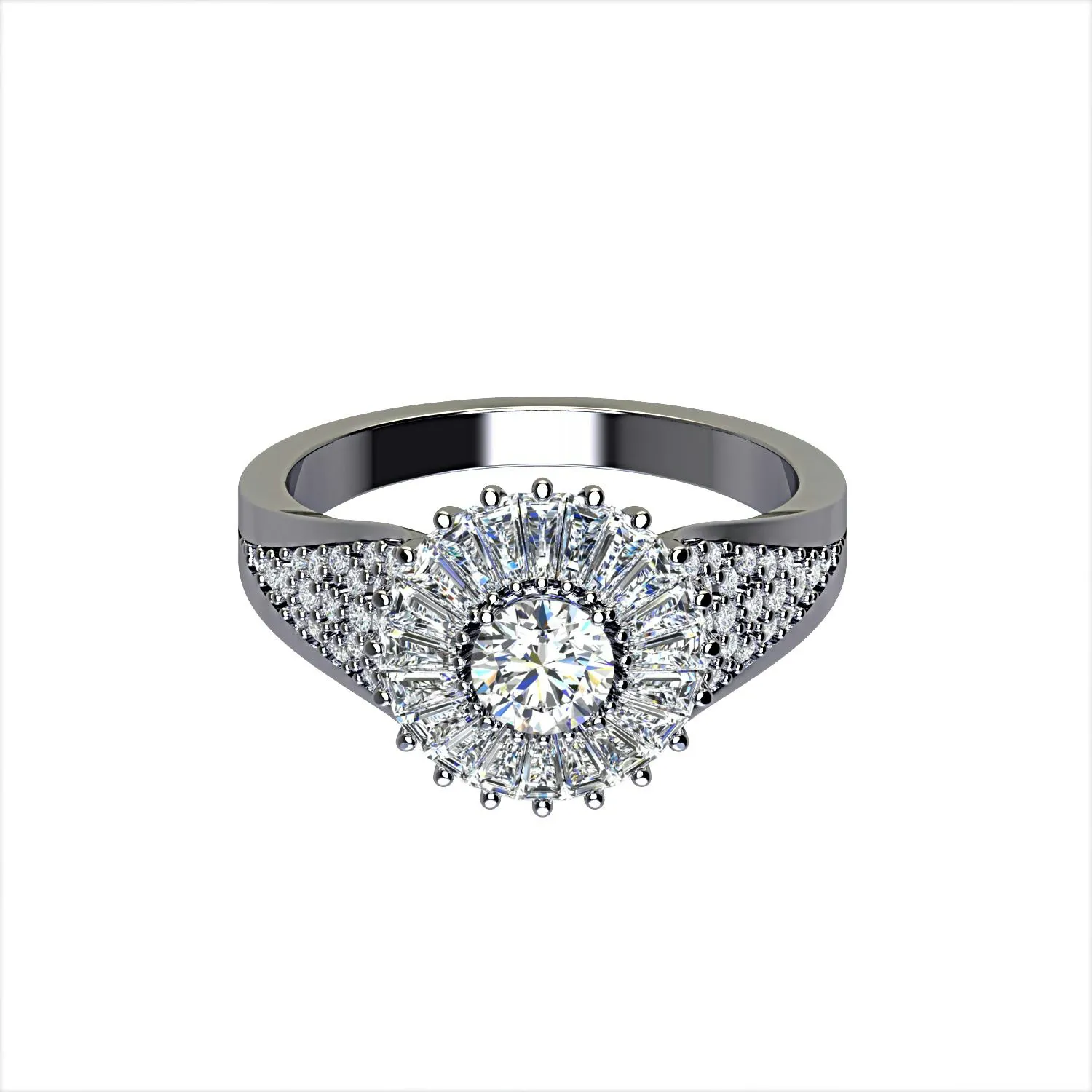
Castable Wax Resin
Jewelry & Investment Casting
SLA has transformed how goldsmiths and designers work. Instead of hand-carving wax, they now go straight from CAD to a casting-ready pattern with 0.025 mm detail—every filigree, every pavé setting captured perfectly. Our Castable Wax resin burns out cleanly with zero ash residue, and the design-to-casting cycle drops from weeks to 24–48 hours. Montreal jewelers using our service report 60% lower master pattern costs compared to traditional carving.
Common Applications
Details
- Engagement ring masters
- Custom pendant patterns
- Watch case prototypes
- Earring production models
BioMed Amber / Dental LT Clear
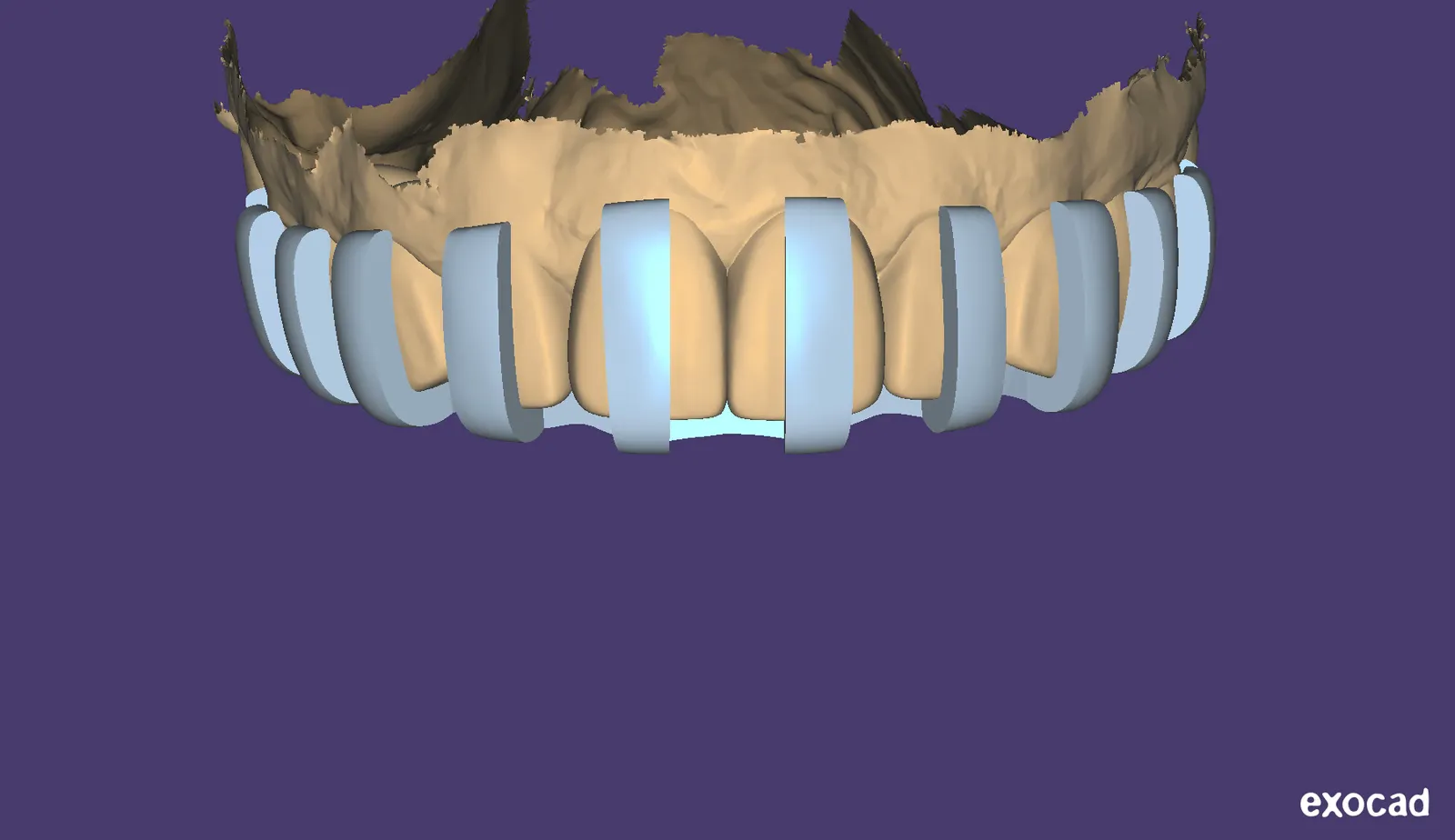
Dental & Medical Devices
Our biocompatible resins are FDA-cleared and USP Class VI certified—meaning they can be used for surgical guides, orthodontic models, and dental appliances that contact patients directly. Positional accuracy within 0.1 mm ensures implant guides fit precisely, and sterilizable materials allow for direct clinical use. Dental labs working with us have cut model turnaround from 5 days to same-day.
Common Applications
Details
- Surgical drill guides
- Clear orthodontic aligners
- Crown & bridge models
- Hearing aid shells
- Anatomical planning models
Tough Resin / High Temp Resin
Engineering & Product Development
When you need a prototype that looks and feels like the final injection-molded product, SLA is hard to beat. Our Tough Resin hits 55 J/m impact resistance (ABS territory), while High Temp handles 238°C for under-hood and aerospace testing. The surface finish (Ra 0.8 μm) means less post-processing, and snap-fits, living hinges, and press-fit inserts all come out dimensionally accurate enough for functional testing. Most engineering teams iterate 3–5 versions in the time it would take to get a single CNC prototype.
Common Applications
Details
- Snap-fit enclosures
- Fluid flow manifolds
- Connector housings
- Turbine blade prototypes
- Optical lens mounts
Head-to-head comparison
SLA vs. FDM vs. SLS
Each printing technology has its strengths. Here’s an honest comparison to help you decide—or just ask us, and we’ll recommend the best fit based on your part requirements and budget.
Technology Comparison
Feature SLA (Resin) FDM (Filament) SLS (Powder) Surface Quality Excellent Good Good Detail Resolution 0.025mm 0.1-0.3mm 0.1mm Support Structures Required Required Not Required Material Variety 20+ Resins 100+ Filaments Limited Speed (per part) Medium Slow Fast Cost per Part Medium Low High Post-Processing Washing + UV Minimal Powder Removal Choose SLA when
Details
- You need exceptional surface quality
- Fine details and smooth curves are critical
- Transparent or clear parts required
- Jewelry, dental, or medical applications
- Small to medium sized parts
- Prototyping with near-injection molding quality
Choose FDM when
Details
- Budget is the primary concern
- Large parts or functional prototypes
- Engineering plastics needed (ABS, PETG, etc.)
- Layer lines are acceptable
- Simple geometries without fine details
- Rapid concept validation
Choose SLS when
Details
- Complex geometries with no supports
- High volume production runs
- Functional end-use parts required
- Nylon material properties needed
- Multiple parts in single build
- No post-processing time available
Still not sure which technology is right for your project?
Why Work With Us Instead?
You have options: buy your own printer, use an online service, or work with a local team that actually understands your project. Here’s how we compare—and why over 500 teams have chosen AllPrototype.
| Feature | AllPrototype (Us) | Online Print Farms | In-House Desktop SLA |
|---|---|---|---|
| Layer Resolution | 0.025 mm | 0.05–0.1 mm typical | 0.025–0.05 mm |
| Material Selection | 20+ specialized resins | 5–10 basic resins | Limited by printer |
| Turnaround Time | Same-day available | 5–10 business days | Immediate but manual |
| Pricing Model | Transparent calculator | Hidden fees common | High upfront ($3K–$10K+) |
| Expert Support | Free expert consultation | Email only / chatbot | Self-service |
| Post-Processing | Full finishing suite | Basic only | DIY required |
| Quality Standards | ISO 9001 quality processes | Varies widely | None |
| Local Service | Montreal local pickup | Shipping only | N/A |
| Design Review | Included free | Paid add-on | N/A |
| Volume Discounts | Up to 30% off | Limited | N/A |
The AllPrototype Advantage
No Equipment to Buy
Skip the $3,000–$10,000+ upfront cost. Our professional-grade machines deliver superior results without any capital expenditure on your end.
Access to 20+ Resins
A single desktop printer handles 2–3 resins. We stock over 20—from flexible to biocompatible—so you always get the right material for the job.
Consistent, Calibrated Quality
Our machines are calibrated daily by trained technicians. Desktop printers suffer from resin contamination, FEP degradation, and calibration drift that degrades quality over time.
Same-Day When You Need It
Online print farms quote 5–10 days. We offer same-day for urgent projects—Montreal clients can pick up parts the same afternoon.
SLA applications gallery
See how SLA 3D printing delivers precision results across diverse industries and applications.
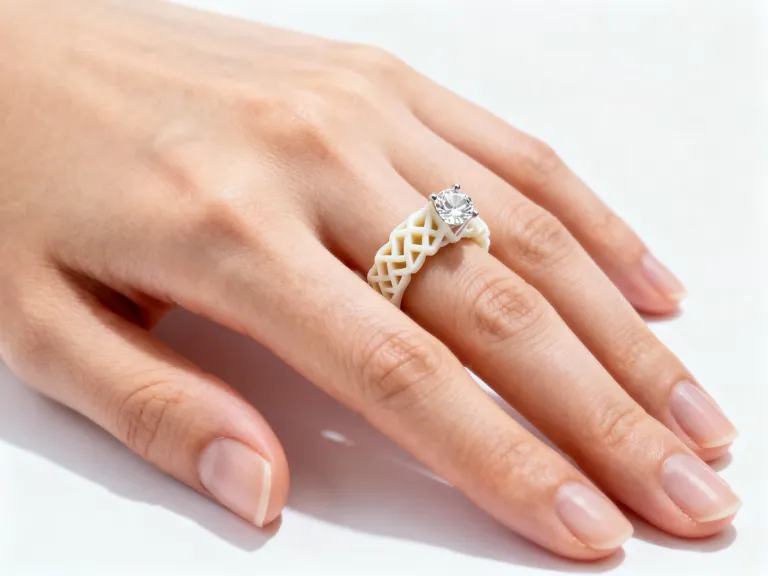
Jewelry masters
Create intricate jewelry patterns for investment casting with exceptional detail
Engagement Ring Settings
- 0.025 mm accuracy
- Complex prongs
Complex prong settings with 0.025 mm detail accuracy
Recommended Materials
- Castable Wax
- High Detail Resin
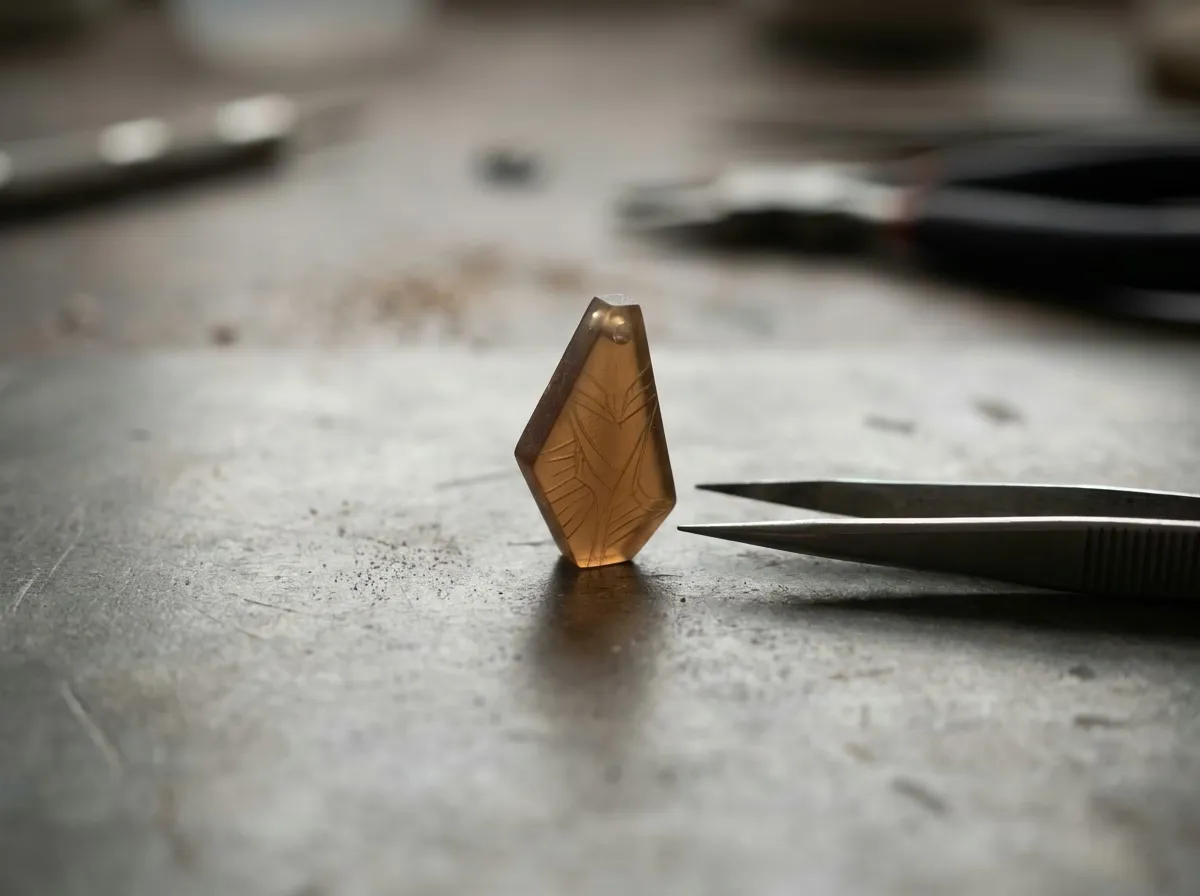
Custom Pendants
- Fine engravings
- Textured surfaces
Personalized designs with fine engravings and textures
Recommended Materials
- Castable Wax
- Clear Resin
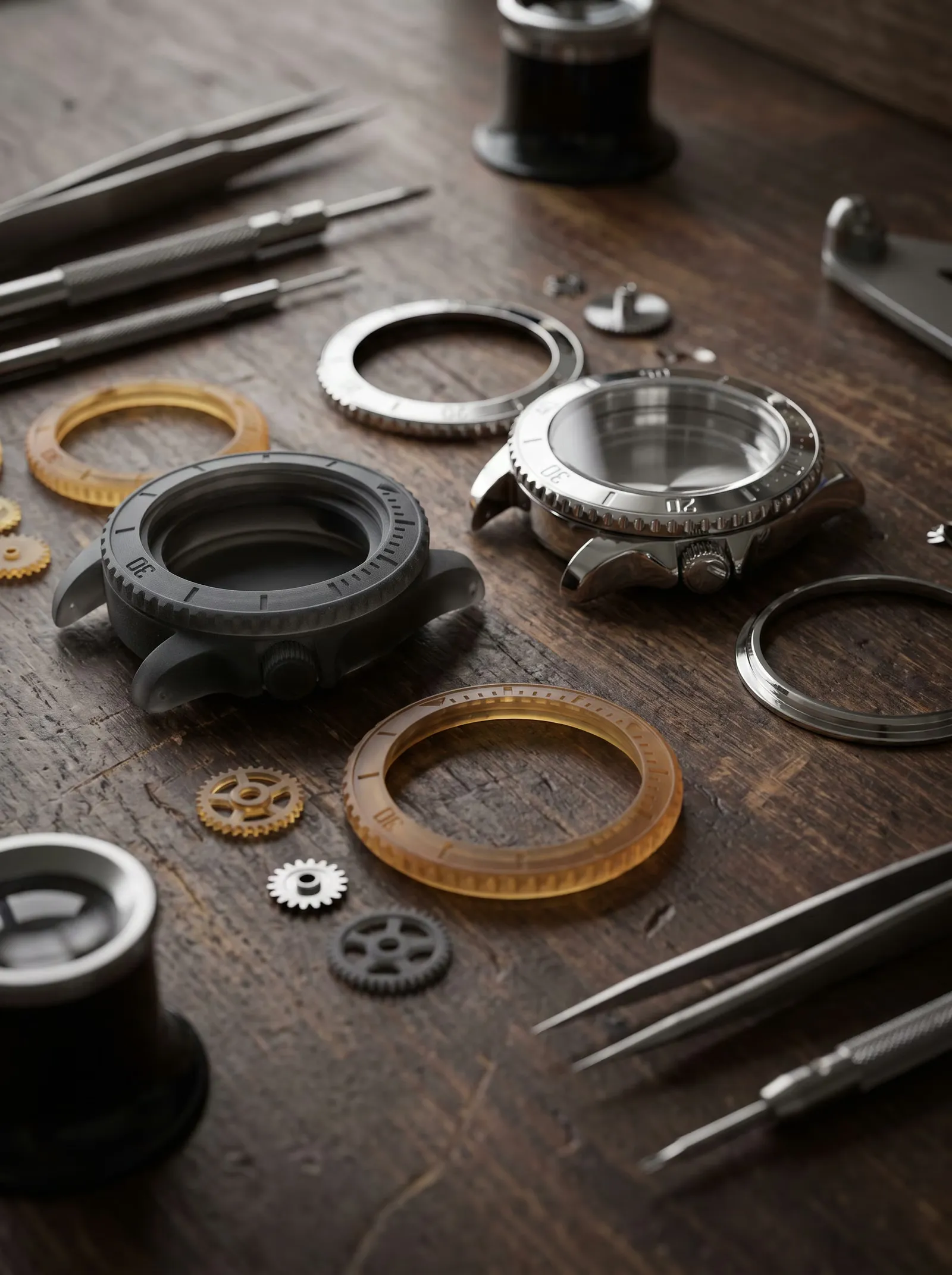
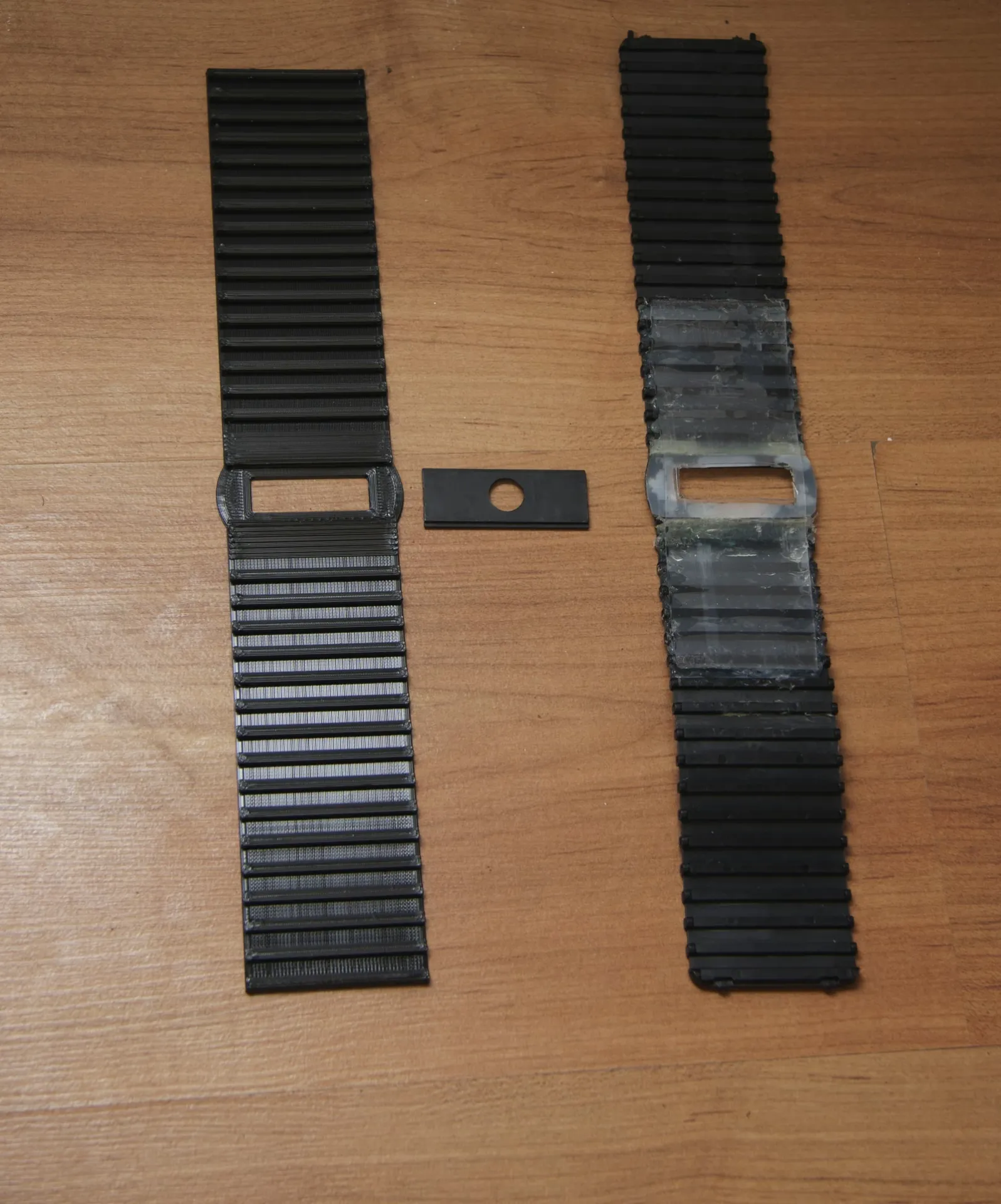
Watch Components
- Precise mechanics
- Decorative elements
Precise mechanical parts and decorative elements
Recommended Materials
- Tough Resin
- Castable Resin
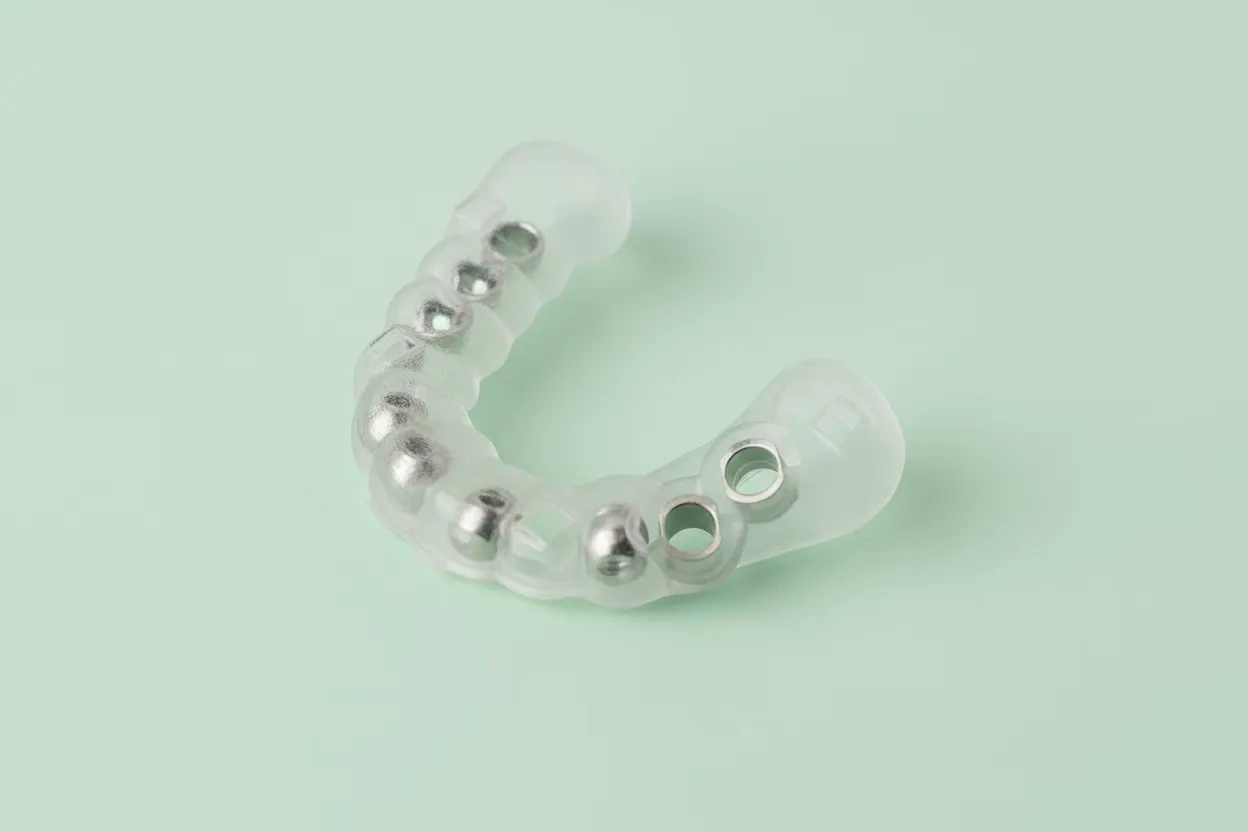
Dental models
Biocompatible resins meet medical standards for dental applications
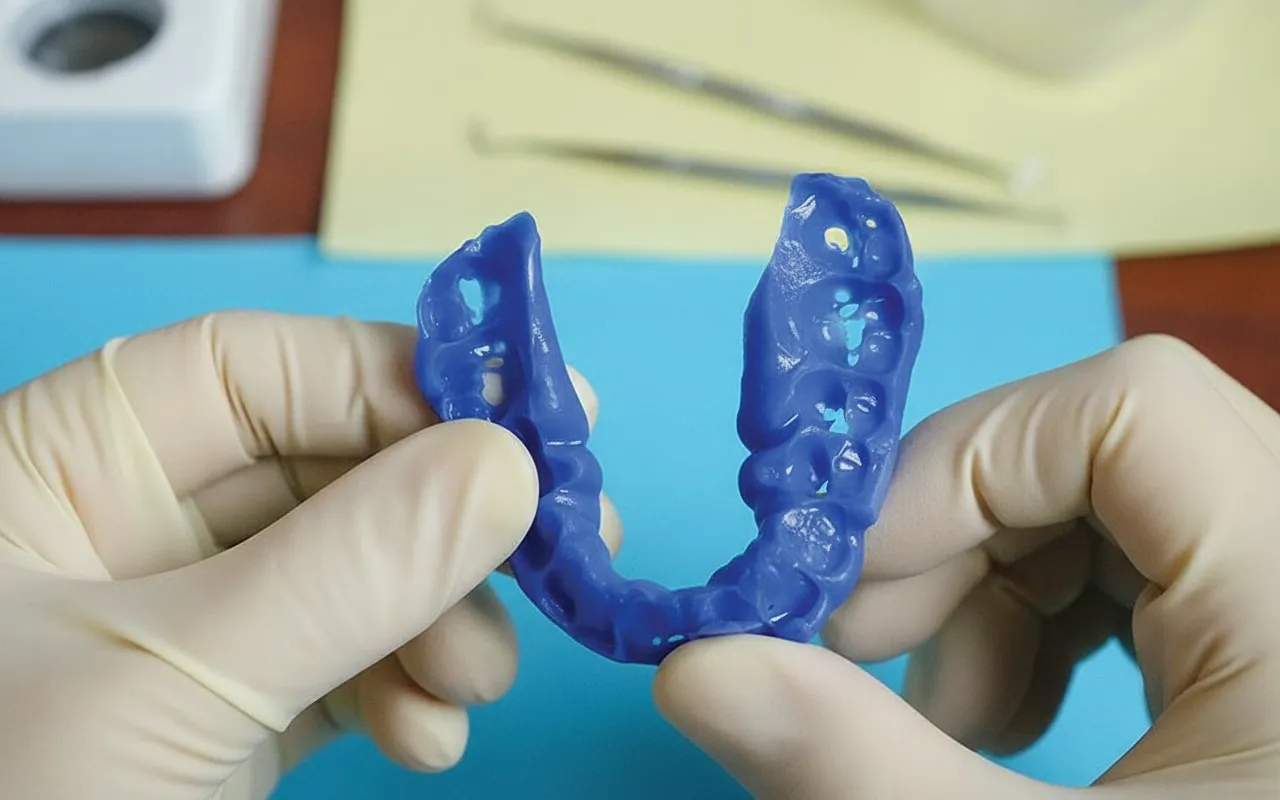
Surgical Guides
- Patient-specific
- Implant placement
Patient-specific guides for implant placement
Recommended Materials
- BioMed Amber
- Dental LT Clear
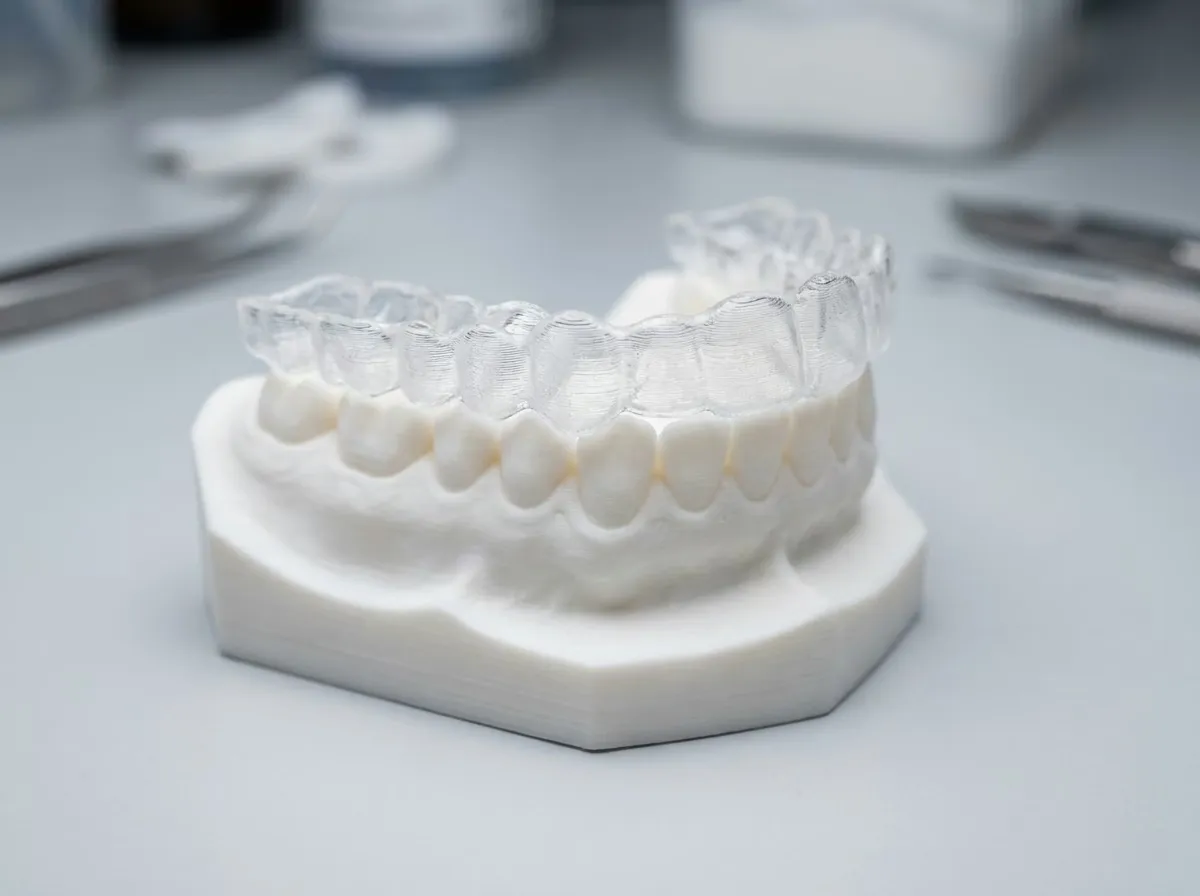
Crown & Bridge Models
- Precise impressions
- Prosthetic bases
Precise dental impressions for prosthetics
Recommended Materials
- Dental Model Resin
- High Temp Resin
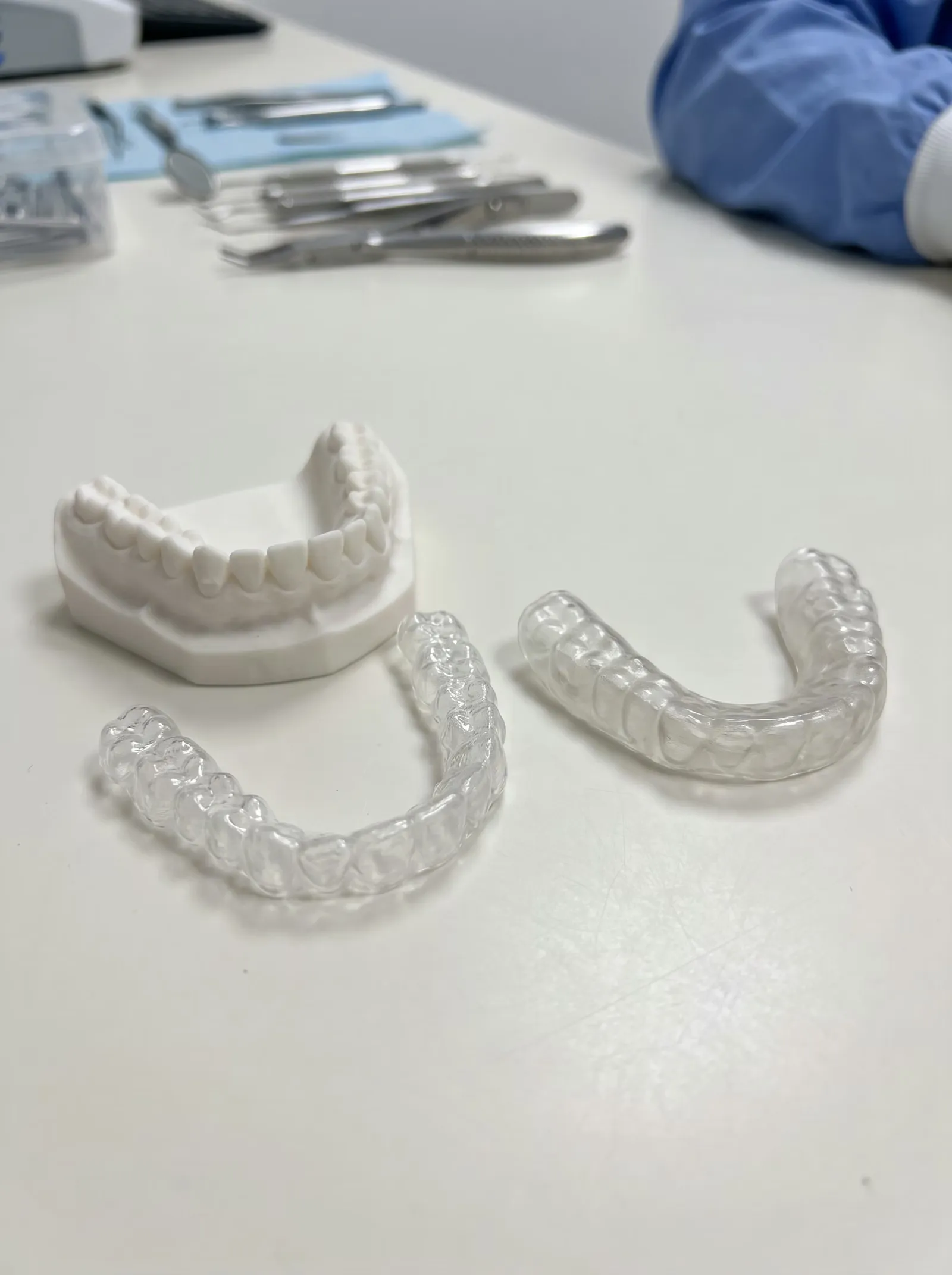
Orthodontic Aligners
- Custom fit
- Clear retainers
Custom clear aligners and retainers
Recommended Materials
- Dental LT Clear
- Flexible Resin
Engineering prototypes
Functional prototypes with engineering-grade material properties
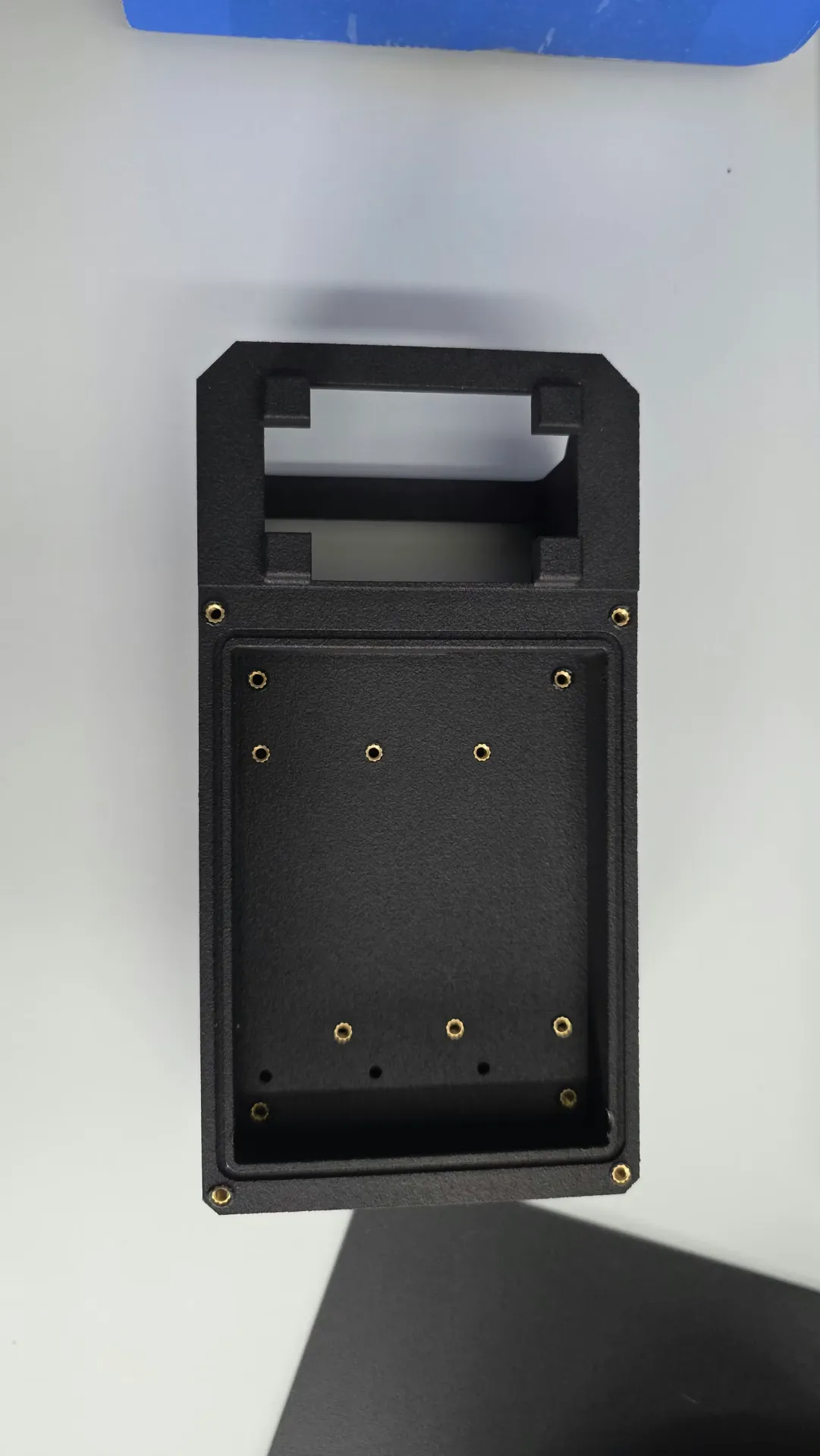
Automotive Components
- Heat-resistant
- Under-hood use
Heat-resistant parts for under-hood applications
Recommended Materials
- High Temp Resin
- Tough Resin
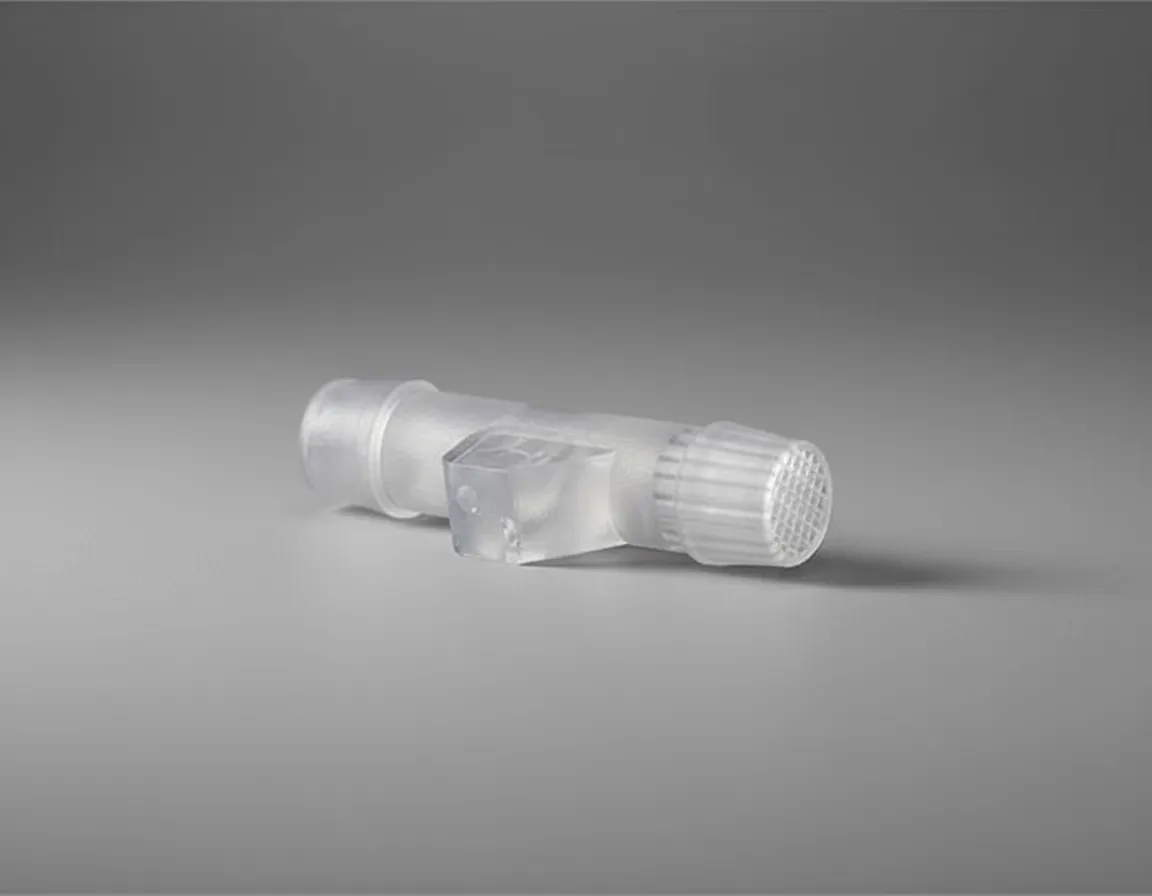
Consumer Electronics
- Precise housings
- Mechanical assembly
Precise housings and mechanical assemblies
Recommended Materials
- Clear Resin
- Grey Resin
- Tough Resin
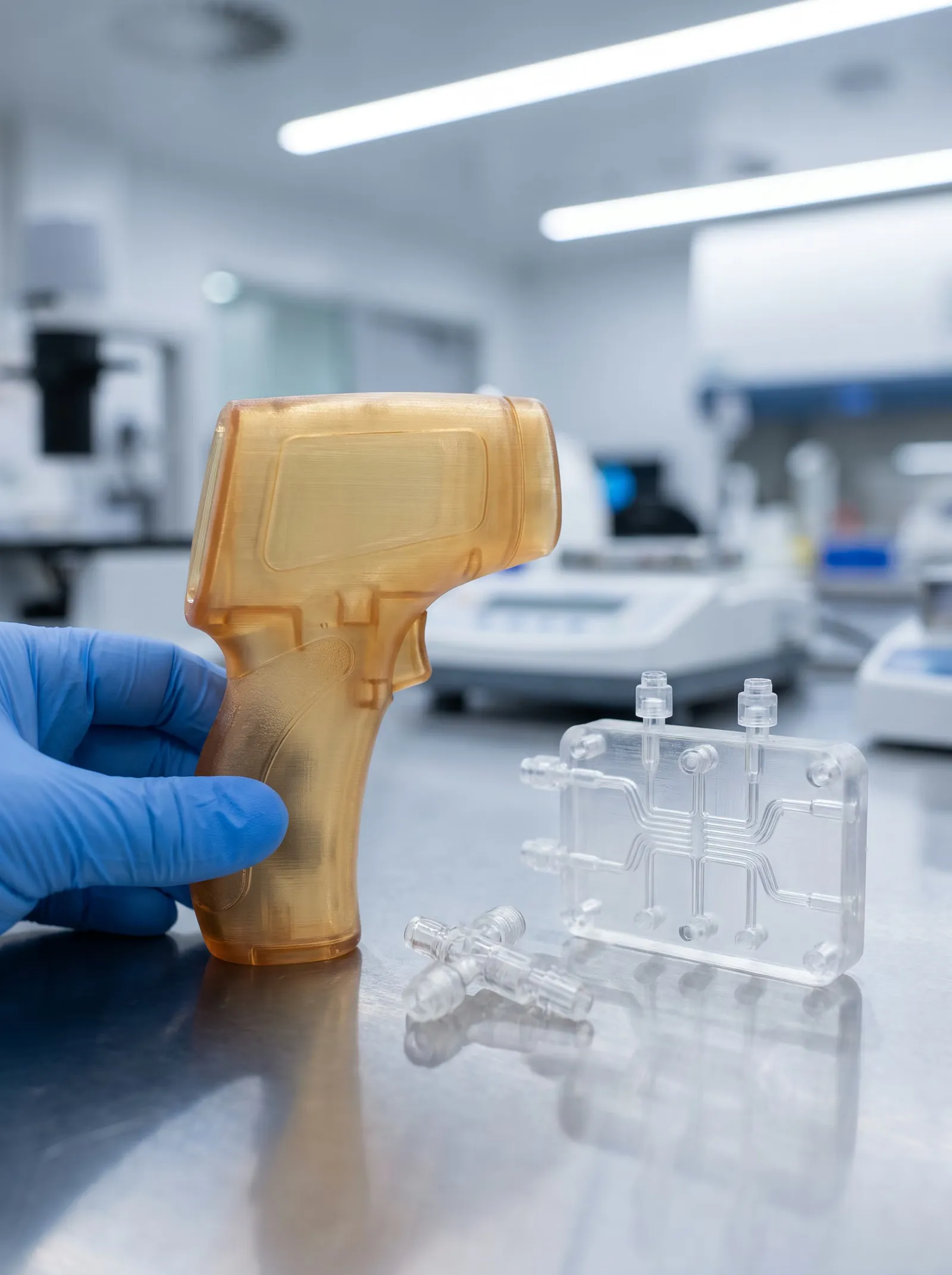
Medical Devices
- Biocompatible
- Equipment testing
Biocompatible prototypes for medical equipment
Recommended Materials
- BioMed Amber
- Clear Resin
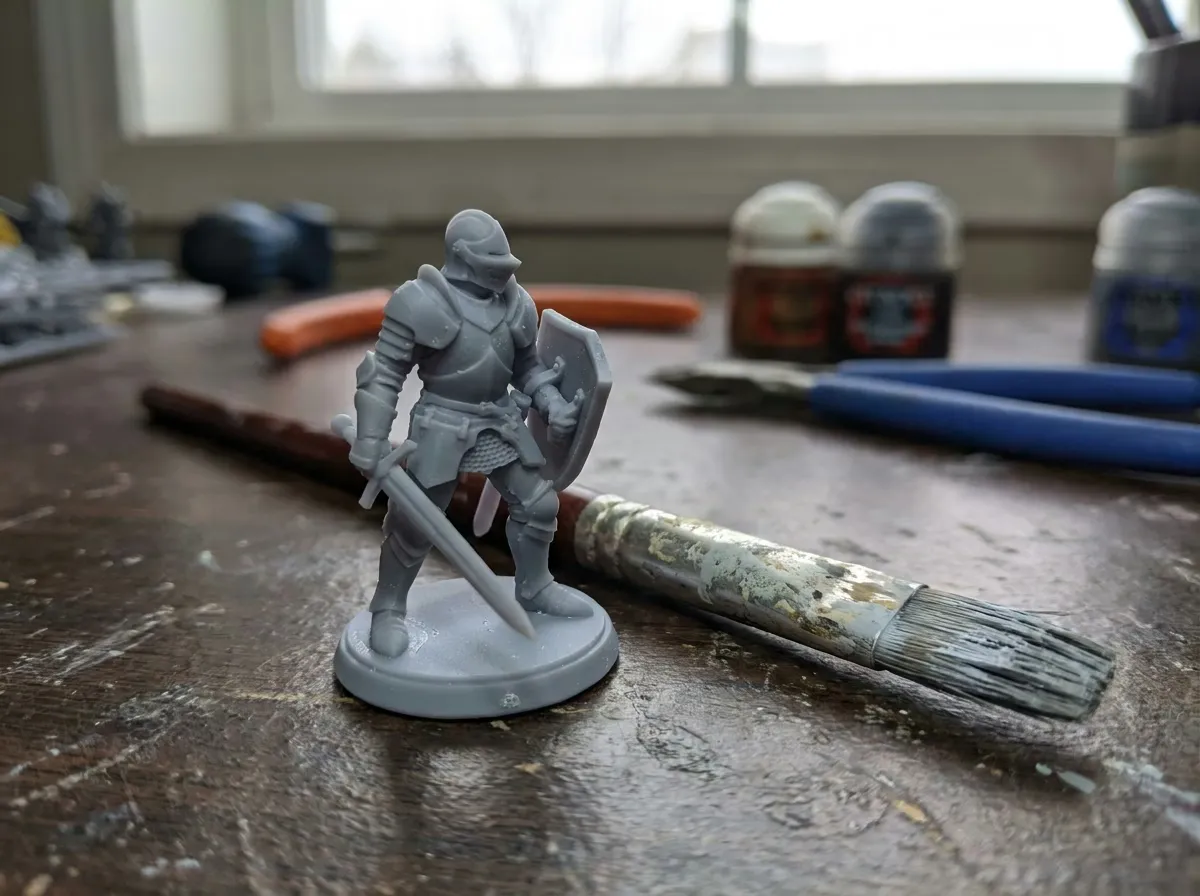
Miniatures & figurines
Incredibly detailed miniatures with smooth surfaces perfect for painting
Gaming Miniatures
- Intricate armor
- Facial detail
Tabletop figures with intricate armor, weapons, and facial features
Recommended Materials
- Grey Resin
- White Resin
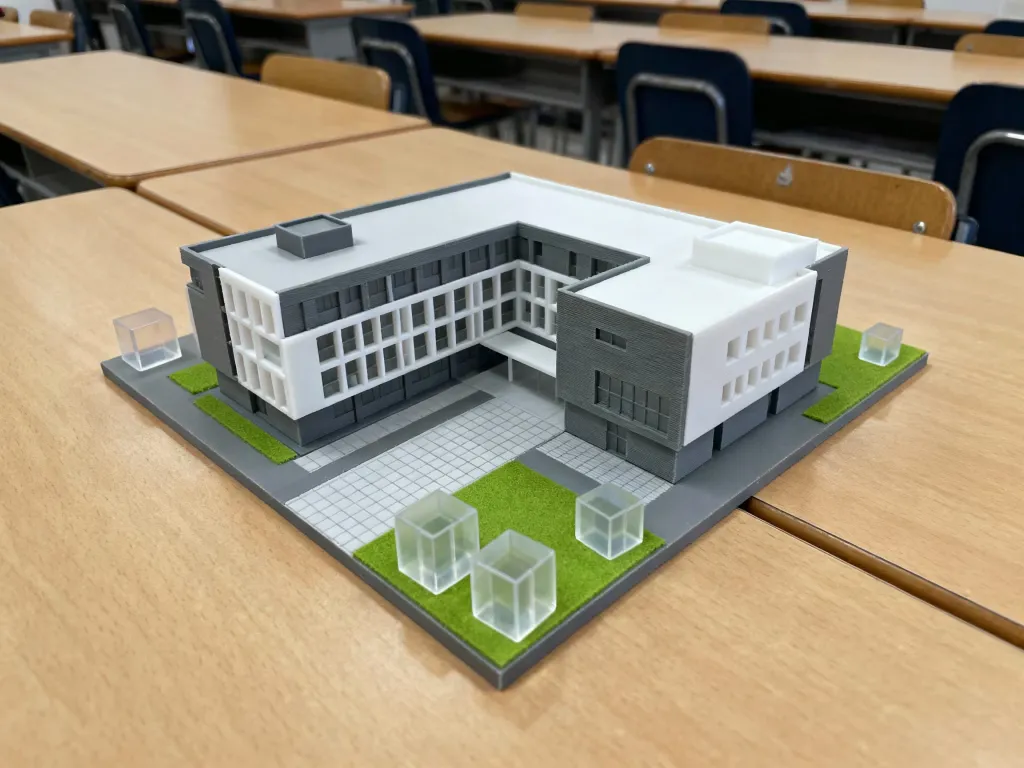
Architectural Models
- Scale buildings
- Fine details
Scale buildings with fine architectural details
Recommended Materials
- Clear Resin
- White Resin
- Grey Resin

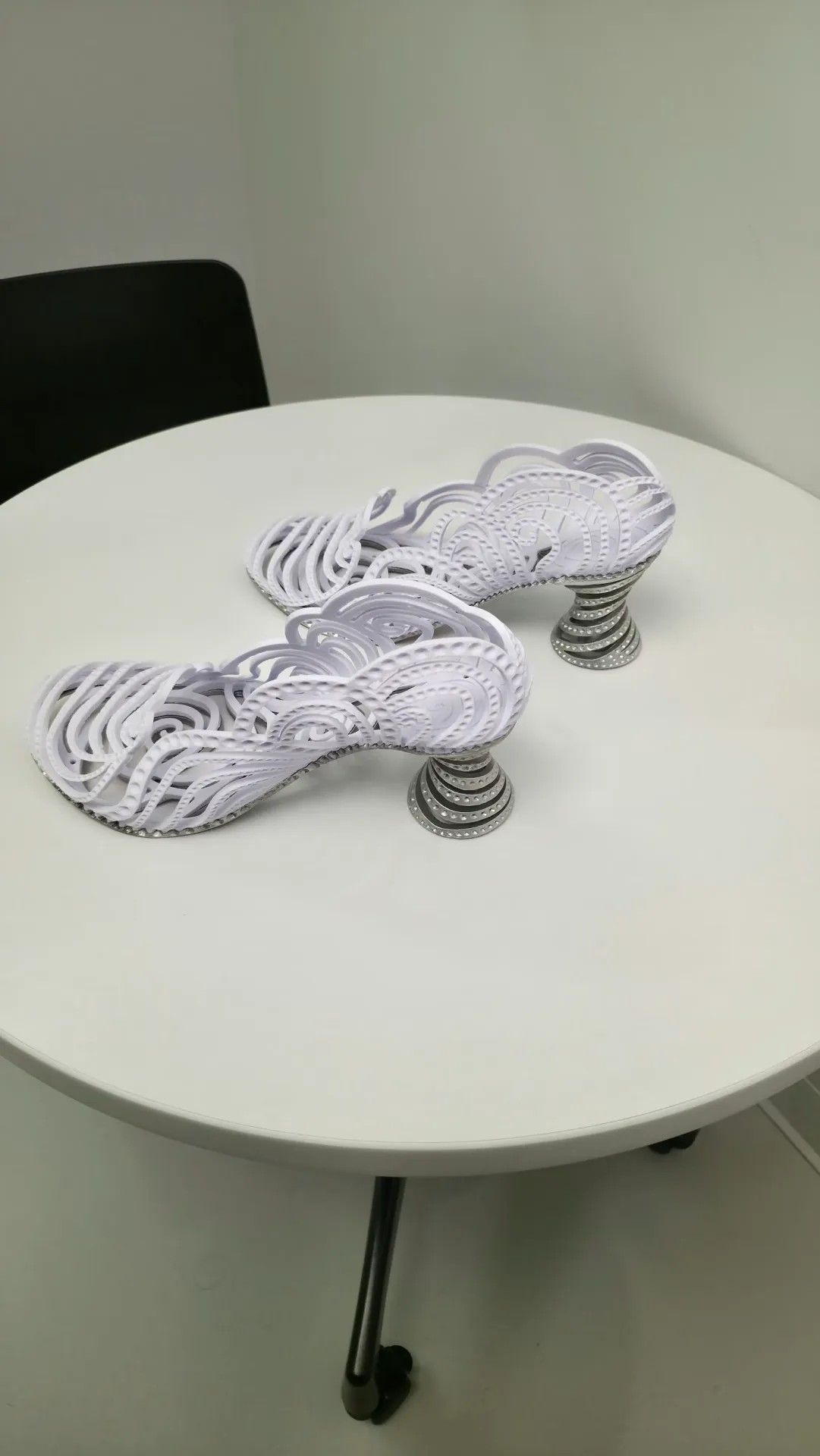
Art Sculptures
- Artistic pieces
- Collectibles
Detailed artistic pieces and collectibles
Recommended Materials
- White Resin
- Clear Resin
- Tough Resin
Ready to start your project?
Upload your 3D file and get an instant quote for professional SLA printing.
Get a quote
Get a quote final price confirmed by our team
Related projects
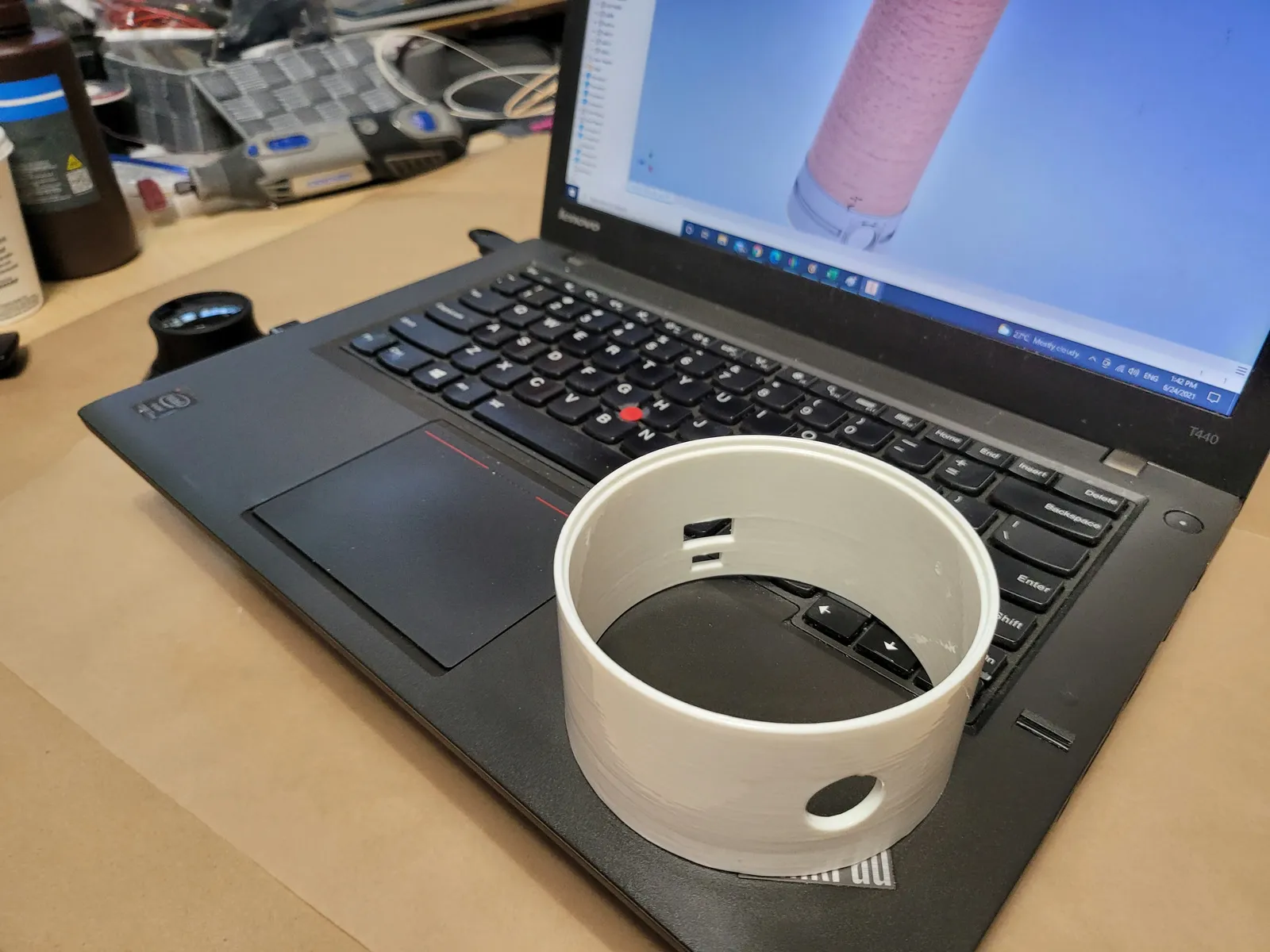
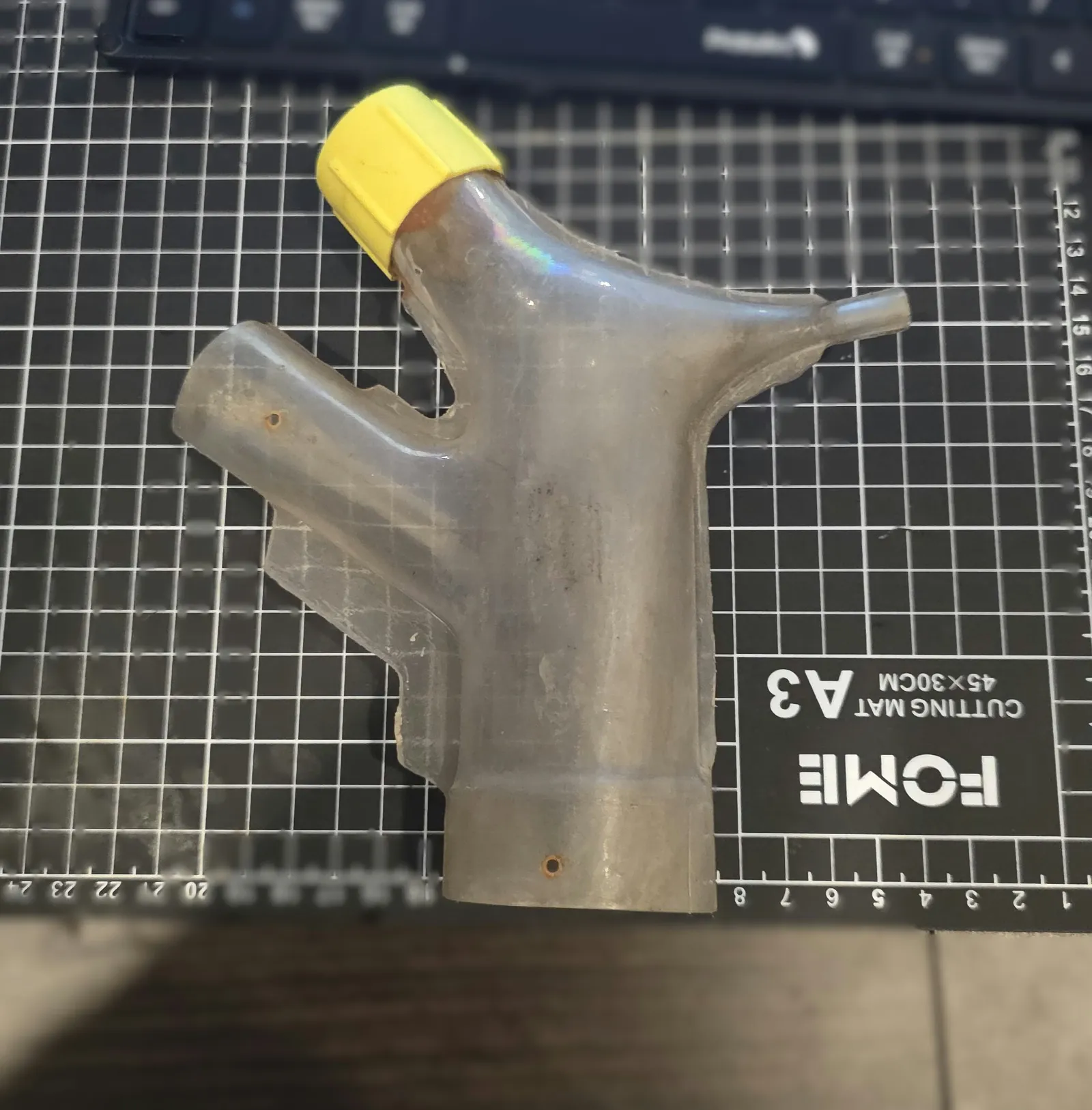
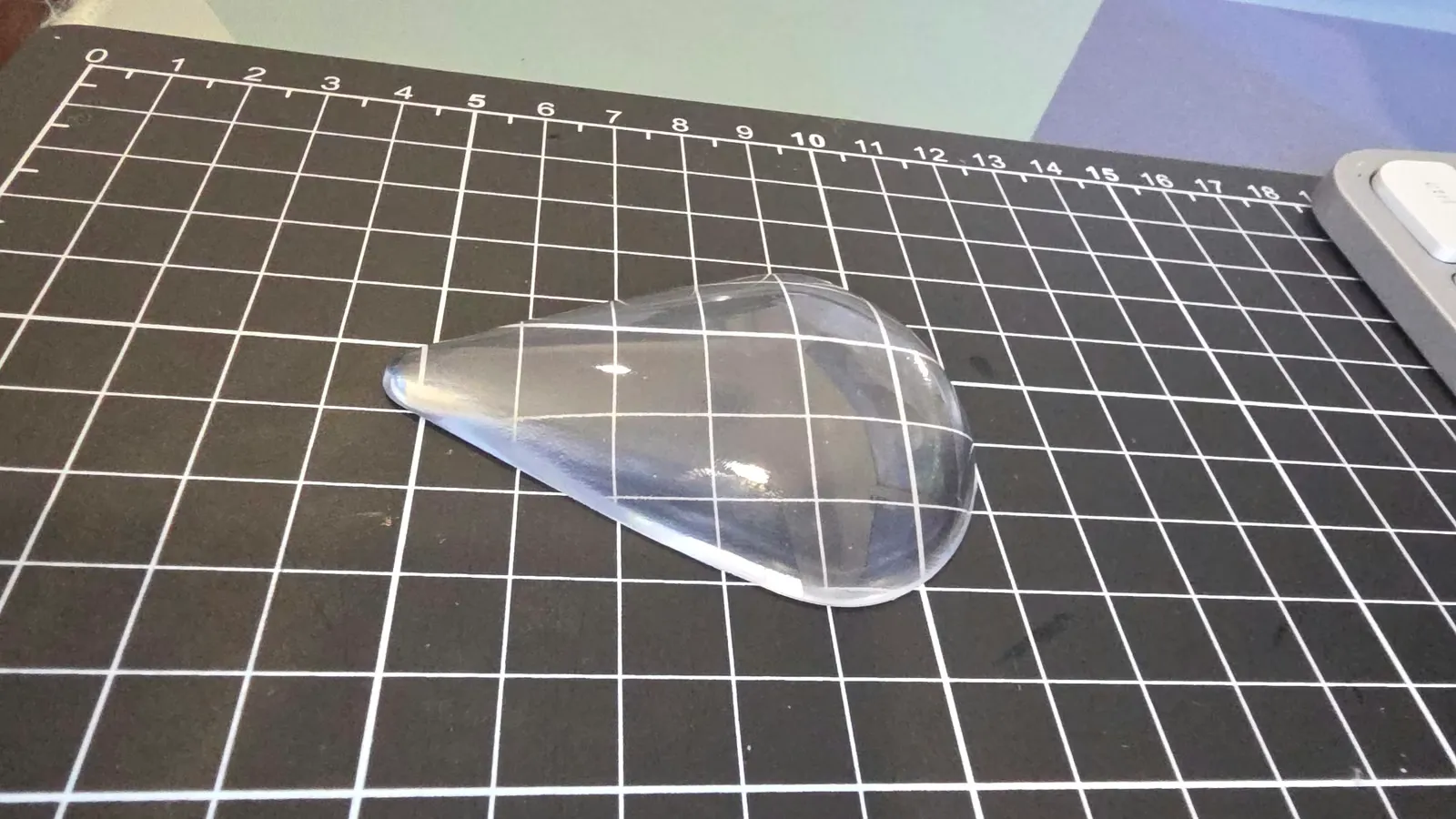
See clear SLA printing used to reproduce a hard-to-find automotive part.
SLA · Industrial
Clear headlight lens covers
Replacement clear lens covers reproduced by 3D scanning the originals, modelling them in CAD, printing them in clear resin by SLA and polishing them.
Frequently asked questions
Frequently asked questions
Get answers to the most common questions about our SLA 3D printing services.
Still have questions?
Our SLA experts are here to help with technical questions and project consultation.
What file formats do you accept?
We work with STL, OBJ, 3MF, PLY, and STEP files—STL is preferred for optimal slicing. We also accept native files from SolidWorks, Fusion 360, Inventor, and Rhino. Every submission gets a free design review (usually within 30 minutes) where we check for non-manifold edges, thin walls, and other printability issues.
Is SLA printing waterproof?
Standard resins are water-resistant but not fully waterproof due to micro-porosity. For water-tight applications, we recommend Tough Resin or Durable Resin, or we can apply a UV-curable sealant that provides IP67-level protection. For outdoor use, our UV-stabilized Black Resin and protective coatings extend life to 12+ months.
What's the maximum build size?
Our primary build volume is 145 × 145 × 175 mm. For larger parts, we can split your model along natural seam lines and bond them with UV-curable adhesive—the joints end up stronger than the base material and nearly invisible after sanding. For very large parts (up to 335 × 200 × 300 mm), we have access to industrial SLA platforms.
Can you print transparent parts?
Yes—our Clear Resin produces transparent parts, though true optical clarity requires post-processing: progressive wet sanding through 2000 grit, machine polishing, and a UV-protective clear coat. The result achieves >90% light transmittance, suitable for light pipes, lens prototypes, and fluid flow visualization.
How long does SLA printing take?
Standard orders ship in 3–5 business days. Express (1–2 days) and same-day service are available. A typical part under 50 mm tall prints in 2–4 hours; taller parts may take 8–12 hours. Post-processing adds another 3–4 hours. Montreal clients can arrange same-day pickup for orders submitted before 10 AM.
Ready to start? Get an instant 3D printing quote.
Additional questions
What's the minimum wall thickness?
0.4 mm for most resins, though we recommend 0.8–1.0 mm for structural integrity. Minimum positive feature size is 0.1 mm, and minimum hole/engraving size is 0.15 mm. For unsupported walls taller than 10 mm, use at least 1.5 mm to prevent warping.
Do you help optimize designs for SLA?
Every file gets a free Design for Manufacturability (DFM) review. We check support placement, wall thickness, orientation, and potential issues with trapped resin. For complex assemblies, we offer paid optimization at $75/hour where our engineers modify your CAD directly.
What colors and finishes are available?
What colors and finishes are available? Stock colors: Clear, White, Grey, Black, and Amber. We offer spray painting in any RAL or Pantone color ($15–$35/part). Finishes include matte, semi-gloss, high-gloss, and soft-touch. We also do metallic finishes and hydrographic patterns like carbon fiber.
Are biocompatible resins safe for medical devices?
Are biocompatible resins safe for medical devices? Our BioMed Amber is USP Class VI and ISO 10993 certified. Dental LT Clear is FDA 510(k) cleared for up to 1 year of intraoral use. Keep in mind: material certification supports but doesn’t replace device-level regulatory approval. We provide compliance certificates and traceability documentation.
How does SLA pricing compare to CNC or injection molding?
For 1–50 parts, SLA typically runs 40–70% less than CNC machining (zero tooling costs, minimal waste). Compared to injection molding, you skip the $5K–$50K+ mold investment. The break-even with injection molding is usually around 200–500 units, depending on complexity.
Can SLA parts handle high temperatures?
Can SLA parts handle high temperatures? Standard resins are rated to about 45–75°C. For heat-critical applications, our High Temp Resin handles up to 238°C and is used for under-hood automotive and wind tunnel testing. Glass-filled Rigid Resin offers 120°C with superior dimensional stability.
Do you offer batch production programs?
Do you offer batch production programs? Yes—we handle runs of 50–500+ identical parts with consistent quality across batches. Volume pricing starts at 10% off for 6+ parts, scaling to 30% for 100+. For ongoing needs, our Scheduled Production program offers locked-in pricing and priority slots.
What quality control do you use?
What quality control do you use? Every part goes through: file validation and mesh repair, in-process monitoring (laser power, resin temperature, layer adhesion), dimensional inspection with digital calipers, visual inspection under magnification, and CMM measurement for critical tolerances. We follow ISO 9001 quality management processes.